


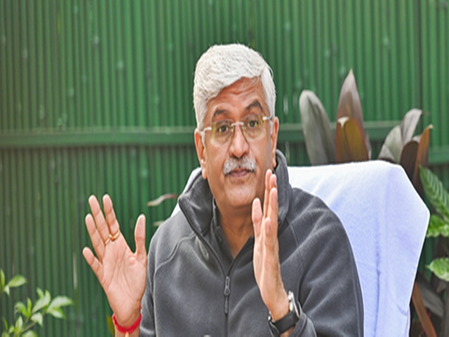
Union Minister of Culture and Tourism Gajendra Singh Shekhawat stressed the need for swift translation of laboratory findings into practical medical applications. He highlighted the importance of integrating doctors’ experiences with scientific research for enhanced healthcare outcomes. Speaking at an international conference on “Frontiers of Radiation Biology and Cancer Research,” Shekhawat underscored the significance of a continuous dialogue between research labs and clinical settings to improve the effectiveness and safety of modern medicine.
India’s scientific landscape and healthcare infrastructure have made significant advancements, especially in the realm of cancer research, according to Shekhawat. The country has made notable progress in enhancing diagnostic precision, offering affordable treatment alternatives, and broadening the reach of quality cancer care. Shekhawat commended institutions like Regional Cancer Centres, medical colleges, and community hospitals for their ability to provide advanced and compassionate treatments with high professional standards.
Shekhawat highlighted the pivotal role of radiation biology in modern cancer therapy, emphasizing its importance in understanding the body’s response to radiation, reducing side effects, and optimizing radiation doses for improved patient well-being. He noted that research in both basic and clinical radiation sciences plays a crucial role in advancing the nation’s healthcare objectives.
The Union Minister described radiation as a potent tool in both diagnosing and treating diseases. However, he emphasized the necessity of a comprehensive understanding of radiation’s effects at cellular and systemic levels to ensure its safe and effective application. Addressing young scientists and researchers, Shekhawat encouraged their curiosity, dedication, and collaborative efforts, stating that these qualities will shape the future of the field and enhance India’s scientific standing globally.
Shekhawat expressed confidence that interdisciplinary approaches, such as physicists delving into biology and doctors integrating data analytics, will drive innovation in healthcare, leading to more patient-focused solutions in the future.
