


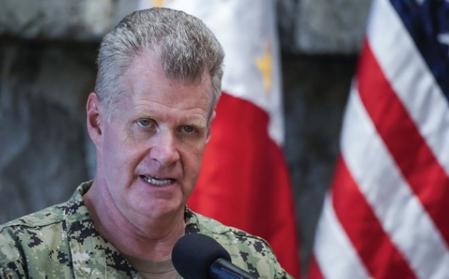
Admiral Samuel Paparo, head of US Indo-Pacific Command, highlighted the Indo-Pacific region as crucial for strategic operations in the 21st century. He stressed the need for sustained deterrence through alliances, forward military presence, and technological superiority to address emerging challenges. Paparo emphasized the significance of dynamic combat power and daily operations across all domains to maintain deterrence in the region.
Paparo underscored the importance of alliances in enhancing combat capabilities and strengthening deterrence efforts. He specifically mentioned the growing cooperation with partner nations across the Indo-Pacific. The admiral also commended India’s increasing role in military engagements, describing the military-to-military relationship with New Delhi as a priority for the US.
Addressing China’s tactics, Paparo warned against unconventional military expansion strategies, including information operations and coercion. He emphasized the need for strategic planning to counter such contingencies effectively. Additionally, Paparo highlighted the evolving nature of warfare, emphasizing the importance of adapting to emerging technologies and battlefield dynamics.
Senior Pentagon official John Noh reiterated the US stance on deterring China through strength rather than confrontation. Noh emphasized the goal of preventing any single power from dominating the Indo-Pacific region. The officials also expressed concerns about China’s deepening ties with Russia, particularly in providing critical industrial tools and semiconductors for Russia’s military capabilities.
Lawmakers discussed broader geopolitical pressures impacting US strategy in Asia during the hearing. Representative Adam Smith emphasized the critical role of maintaining alliances for deterrence while acknowledging resource constraints due to conflicts in other regions. The importance of credibility with partners and the urgency of timely arms deliveries, particularly to Taiwan, were also highlighted during the session.
