


A funding dispute within the Department of Homeland Security (DHS) has caused disruptions at US airports, with hundreds of Transportation Security Administration (TSA) officers leaving their jobs or calling in sick during a 44-day partial government shutdown. The White House has taken steps to alleviate the situation by reallocating funds to pay TSA workers, but the deadlock persists as Congress remains on break.
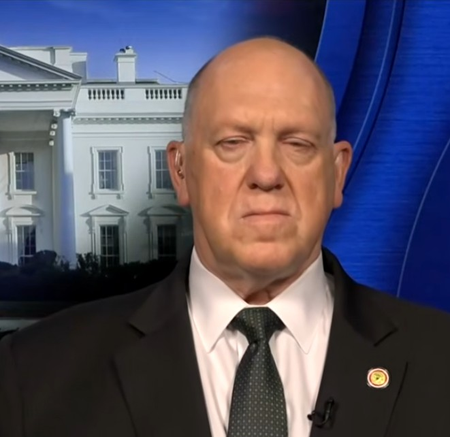
White House border czar Tom Homan emphasized the urgency of funding DHS, citing an elevated security threat and the importance of supporting agencies like the Coast Guard, Secret Service, and Cybersecurity and Infrastructure Security Agency. To address the shortage of TSA officers, Immigration and Customs Enforcement (ICE) personnel have been deployed to assist at airports, handling tasks such as ID checks and exit lane security to allow TSA officers to focus on screening duties.
The funding standoff revolves around Democratic demands to link DHS funding to changes in immigration enforcement, particularly ICE practices, a move resisted by Republicans. Homan accused Democrats of prolonging the shutdown by refusing to fund DHS unless ICE policies are altered, while Democrats argue for improved enforcement tactics. Representative Jim Himes highlighted concerns over ICE conduct and criticized the redirection of funds to pay TSA workers, calling it unconstitutional and emphasizing Congress’s authority over budget allocation.
Despite the political impasse, both parties acknowledged the strain on federal workers, with Himes stating that TSA staff should not be caught in the middle. Homan expressed optimism that restored pay would encourage officers to return to work, noting that ICE support at airports would continue until operations normalize. The funding dispute has also brought to light broader disagreements on immigration policy, with Democrats advocating for enhanced measures like body cameras and stricter warrant requirements, while the administration contends that existing laws support current enforcement practices.
Homan mentioned that funding for body cameras is stalled due to the shutdown, as economic concerns stemming from the Iran conflict add pressure on US households by driving up fuel prices.
