


The United States and Iran are set to engage in crucial ceasefire discussions in Islamabad amidst significant distrust and pressure to resolve the conflict. Both sides are under pressure to find a way out of the war, although they have few common points of agreement. President Donald Trump criticized Iran’s proposals as insincere, while Iran has set conditions such as resolving blocked assets before negotiations commence.
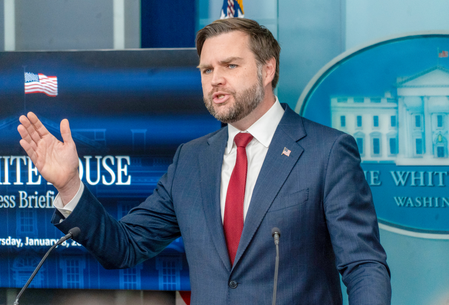
Vice President J.D. Vance, leading the US delegation, expressed optimism about the talks, emphasizing the importance of Iran negotiating in good faith. Pakistan is facilitating the talks as a key intermediary, with Prime Minister Shehbaz Sharif describing the negotiations as a critical juncture. The regional situation remains tense, with Israeli operations in Lebanon complicating diplomatic efforts despite the existing ceasefire.
A major point of contention is the Strait of Hormuz, a vital global energy passage where Iran has imposed controls on tanker movements. This move, labeled illegal by the US, has caused market disruptions and increased oil prices. Negotiating positions are far apart, with Iran refusing to halt uranium enrichment and the US linking sanctions relief to a potential deal. The format of the talks, whether direct or mediated, is yet to be determined.
The talks hold significant implications, especially for Vice President Vance, who has been tasked by President Trump to lead the negotiations. Pakistan’s role as a mediator underscores its diplomatic significance, having helped broker the initial ceasefire. The conflict, which escalated earlier this year, poses risks to global energy supplies and involves various regional actors, with the durability of the current ceasefire uncertain as both sides assess each other’s intentions.
