


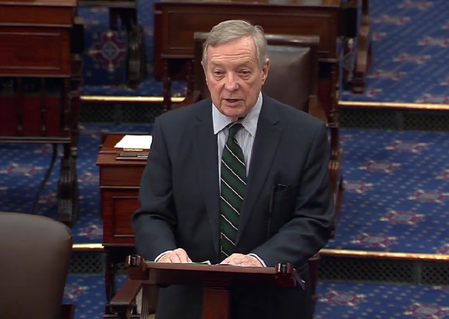
The US Congress is split over President Donald Trump’s recent military and economic moves abroad, particularly in Venezuela. While Democratic leaders criticize the administration for bypassing Congress and risking prolonged overseas involvement, Republican lawmakers commend the decisive leadership and enforcement of US law and sanctions. The removal of Venezuelan leader Nicolas Maduro and subsequent control of oil exports have reignited debates on war powers and US global credibility.
Senate Democrats, after a classified briefing, expressed concerns about the lack of clarity and shifting explanations from the administration regarding Venezuela. Questions linger about the extent of US involvement, the duration, troop deployment, and financial costs. Democratic leaders stress the importance of explaining the post-Maduro scenario and learning from past intervention mistakes.
On the other hand, Republicans defend the administration’s actions, emphasizing the need to hold Maduro accountable. They praise the military operation as bold and necessary, ensuring accountability for Maduro’s actions. Republicans accuse Democrats of hypocrisy, pointing out their previous calls for Maduro’s accountability and now criticizing Trump’s actions.
As the debate escalates, both parties acknowledge Congress’s pivotal role in determining the administration’s future steps. War powers resolutions, funding restrictions, and public hearings are being considered. Democrats fear unchecked executive power and increased intervention, while Republicans view Trump’s actions as upholding the law and strengthening US influence abroad.
