


The Chinese government’s actions to suppress dissent outside its borders faced scrutiny in the US Congress. Lawmakers and activists highlighted a pattern of intimidation and surveillance targeting individuals in the US. They described China’s tactics as a form of “transnational repression.”
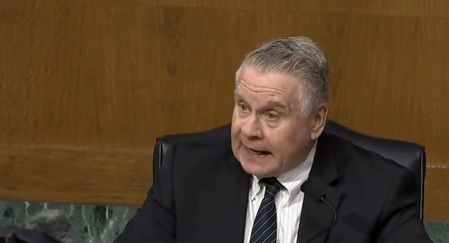
During a Congressional-Executive Commission on China hearing, representatives raised concerns about Beijing’s evolving strategies. These include detaining family members in China, using spyware, and establishing illegal police stations in the US. The hearing coincided with the anniversary of the Tiananmen Square crackdown.
Lawmakers emphasized the need to address China’s transnational repression. They cited instances of political persecution targeting individuals in the US. Testimonies revealed cases of Chinese operatives tracking and intimidating activists and their families. The hearing underscored the importance of bipartisan efforts to counter such threats.
Arthur Liu, a former Chinese democracy activist, shared his experience of being targeted in the US. He recounted how a suspected Chinese spy attempted to gather information about him and his family. The FBI warned Liu about potential surveillance and urged him to take precautions. The testimony shed light on the challenges faced by activists living abroad.
Anna Kwok, a Hong Kong Democracy Council representative, detailed the escalating campaign against pro-democracy activists. She highlighted instances of threats, online harassment, and intimidation faced by activists in the US. Kwok emphasized the pervasive sense of surveillance and fear experienced by rights defenders in America.
State officials also addressed the commission, outlining measures taken to counter foreign influence. They discussed laws enacted at the state level to protect against transnational repression. The hearing emphasized the need for coordinated efforts at federal, state, and local levels to combat threats posed by the Chinese government.
