


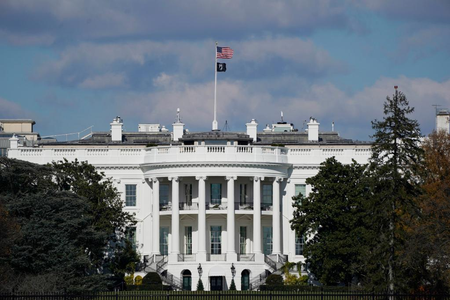
The White House mentioned the possibility of deploying naval escorts for oil tankers passing through the Strait of Hormuz if needed. This consideration comes amidst escalating tensions with Iran, causing concerns about global energy supplies and maritime security in a crucial sea passage. President Donald Trump has already taken actions to stabilize energy markets and safeguard shipping in the Gulf region.
Press Secretary Karoline Leavitt, speaking at a White House briefing, highlighted the administration’s close monitoring of oil markets and maritime traffic during Operation Epic Fury against Iran. She stated that the US Development Finance Corporation would offer political risk insurance at a reasonable cost for crude carriers and cargo ships in the Gulf region. Additionally, the US Navy stands ready to intervene directly if shipping security deteriorates.
The proposed naval escorts aim to prevent disruptions to global oil flows as tensions with Iran heighten. Leavitt emphasized the significance of the Strait of Hormuz, controlling 20% of the world’s oil supply. The White House is collaborating with economic and energy teams to mitigate the conflict’s economic impact, with a focus on stabilizing oil prices and the domestic economy.
Recent actions against Iran are viewed as potentially enhancing the stability of global energy markets. Leavitt argued that these measures would diminish Tehran’s ability to influence shipping through the strategic waterway. By reducing Iran’s control over the Strait of Hormuz, the conflict is expected to ensure the free flow of energy and prevent threats to maritime routes.
Oil prices experienced a brief increase following the conflict’s outbreak, prompting concerns about inflation and fuel expenses in major importing nations. However, market stability was restored after the White House announced initiatives to secure maritime energy routes. Leavitt noted that crude oil prices had fallen and remained steady post the administration’s measures to ensure global energy market stability.
The Strait of Hormuz, situated between Iran and Oman, serves as a vital oil transit chokepoint connecting the Persian Gulf to international sea lanes. It is recognized as one of the most critical maritime corridors globally.
