


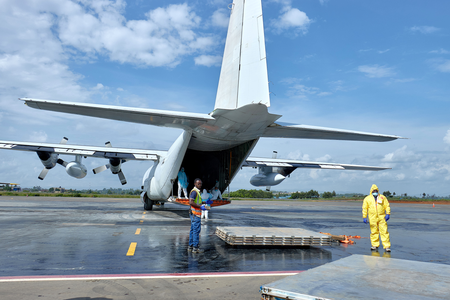
The United States has increased its efforts to address the Ebola outbreak in Central and East Africa by providing over $162 million in aid and implementing measures to contain the disease and prevent its spread to the US. The US State Department, in collaboration with the US Centers for Disease Control and Prevention (CDC) and the governments of the Democratic Republic of the Congo (DRC) and Uganda, is leading a swift and comprehensive response to the outbreak to safeguard public health.
To protect American citizens, the State Department, along with the CDC and other US agencies, has introduced guidelines for assisting individuals who may have been exposed to Ebola or require assistance leaving the affected regions during the outbreak. US citizens are advised to adhere to health, travel, and screening protocols set by US and foreign authorities and enroll in the Smart Traveler Enrollment Program (STEP) for updates specific to their locations.
In addition to safeguarding US citizens, the US government is intensifying its support for the affected countries. The US has allocated more than $162 million in foreign aid for Ebola response efforts, establishing six specialized Ebola response facilities and aiding numerous health clinics engaged in screening, transportation, and treatment activities. US-funded initiatives encompass various initiatives such as border screening, laboratory testing, community outreach, and food aid.
US-backed programs are operational on multiple fronts, including health screening and surveillance at border crossings in countries like Burundi, the DRC, Rwanda, South Sudan, and Uganda. In the DRC, US-supported partner FHI 360 is collaborating with local entities to enhance public awareness on Ebola prevention through community engagements and radio broadcasts in French and Swahili. Efforts include dispelling misinformation, fostering trust in treatment facilities, and boosting diagnostic capabilities to expedite testing processes.
