


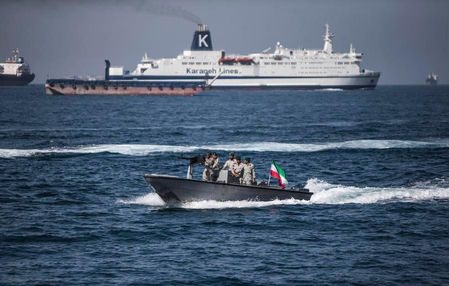
A new phase in the conflict with Iran is evident as the US conducts ship seizures and maritime interdictions well beyond the Persian Gulf. Recently, US forces seized a tanker suspected of carrying Iranian oil in the Indian Ocean, showcasing Washington’s efforts to disrupt Tehran’s oil lifelines.
This move is part of a broader strategy by the Trump administration to intercept vessels associated with Iran’s “dark fleet,” which is used to circumvent sanctions and maintain oil exports. The seized tanker, with a capacity of about 2 million barrels of oil, was intercepted between Sri Lanka and Indonesia, highlighting the expanding operational reach of the US.
In addition to ship seizures, the US has implemented a naval blockade of Iranian ports, enforced by naval and air power. Since the blockade commenced on April 13, approximately 28 vessels have been directed to change course or return to port, according to reports from Fox News Digital and The Wall Street Journal.
President Donald Trump views these actions as a way to pressure Iran to return to negotiations. He has lauded the blockade as a success, emphasizing US control over the strategic Strait of Hormuz. Meanwhile, Iran has condemned the blockade as an “act of war” and warned of potential military responses if shipping restrictions persist.
The conflict, which began on February 28, has escalated around the control of energy flows and maritime chokepoints, particularly the Strait of Hormuz. As diplomatic efforts stall and tensions rise, the situation remains precarious, with Iran demanding the lifting of the blockade as a prerequisite for talks.
