


Twenty-five years post the September 11 attacks that reshaped America’s security, lawmakers and experts caution about a more intricate threat scenario. The House Permanent Select Committee on Intelligence highlighted concerns about AI, cyber warfare, drones, foreign espionage, and decentralized terror networks. The US is urged to stay vigilant amidst rising threats from China, Russia, Iran, North Korea, and extremist factions.
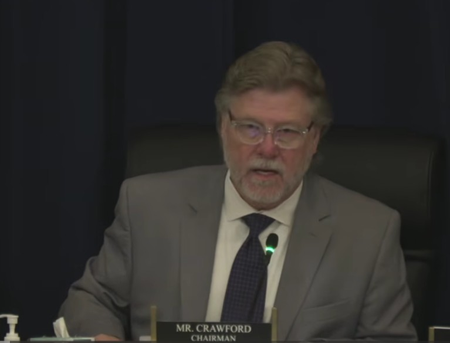
Committee Chairman Rick Crawford likened the current situation to pre-9/11 alerts, stressing the need for readiness. Advancements in AI, quantum computing, cyber warfare, and drone tech, coupled with global power competition, pose challenges. Former FBI Deputy Director John Pistole emphasized the importance of imagination and unified efforts across agencies to avert such attacks.
Experts acknowledge post-9/11 intelligence reforms but caution that risks persist at a high level. While the US has avoided another major attack like 9/11, the security framework is showing signs of strain. The threat landscape has shifted from foreign terrorist groups to a mix of global networks, lone actors, and domestic extremism. ISIS-K’s expanding reach beyond Afghanistan is highlighted as a concerning development.
National security expert Jamil Jaffer issued a stark warning, stating that the US faces unprecedented threats. He urged Congress to secure Section 702 surveillance powers permanently, citing their critical role in intelligence collection. Concerns were also raised about the potential use of commercial drones by terrorist groups to target urban centers. The ongoing bipartisan review of 9/11 Commission recommendations precedes the 25th anniversary of the attacks in September.
