


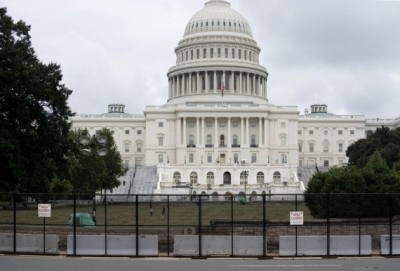
The United States government faced a partial shutdown as Congress failed to approve the 2026 federal budget by the midnight deadline, causing a temporary halt in federal funding. Lawmakers anticipate a swift resolution, with the House set to pass a Senate-backed funding plan early next week. The budget impasse arose amidst Democratic concerns over the deaths of two protesters in Minneapolis involving federal immigration agents.
The funding disruption stemmed from stalled negotiations, particularly regarding funding for the Department of Homeland Security (DHS), a pivotal issue in budget deliberations. Consequently, non-essential government activities were put on hold, impacting departments overseeing education, health, housing, and defense, among others. Shutdown procedures were set to commence overnight, although brief disruption seemed more probable than an extended closure due to recent Senate actions.
Senate Democratic Minority Whip Dick Durbin criticized the Trump Administration for diverting resources towards targeting peaceful protestors instead of addressing serious criminal activities. He expressed concerns about public safety under the current administration. The shutdown affects about three-quarters of federal operations, potentially leading to unpaid leave or mandatory work without pay for tens of thousands of federal employees until funding is reinstated by Congress.
In a bid to avert a prolonged shutdown, the Senate passed a funding package encompassing five remaining bills to finance most federal agencies through September. Additionally, a two-week stopgap measure for the DHS was approved to allow more time for resolving immigration enforcement disputes. President Donald Trump endorsed the Senate’s proposal and urged swift action from the House to prevent an extended shutdown, marking the second such event in his second term, following a record-long shutdown last fall.
