


The United States and the Gulf Cooperation Council (GCC) reiterated their strategic alliance and supported the recent memorandum of understanding (MOU) between the US and Iran. They emphasized the importance of not imposing tolls or fees on ships passing through the Strait of Hormuz. The joint declaration came after a meeting in Manama co-chaired by US Secretary of State Marco Rubio and Bahraini Foreign Minister Abdullatif bin Rashid Al Zayani, with the participation of foreign ministers from all six GCC states and the GCC Secretary General, Jasem Albudaiwi.
The ministers welcomed the US-Iran MOU and acknowledged the mediation efforts of Pakistan and Qatar. They called for ongoing negotiations to achieve a lasting resolution to hostilities and to prevent Iran from obtaining nuclear weapons. Additionally, they highlighted the need to address Iran’s various threats, including ballistic missiles, drones, and support for proxy groups, in any regional settlement.
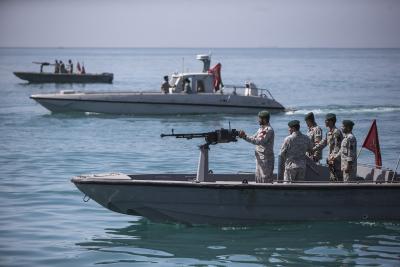
Emphasizing the importance of freedom of navigation in the Strait of Hormuz, a vital energy shipping route, the ministers stressed the necessity of unrestricted passage as guaranteed by international law. They rejected any attempts to impose tolls, fees, or control over the Strait. Rubio, speaking after the meeting, reiterated the stance against charging for passage through the straits, emphasizing unanimous support for this position among the participants.
Rubio also mentioned the desire of Gulf partners to be closely engaged in the negotiations with Iran. He emphasized the need for transparency and alignment with regional partners to ensure security and stability. The MOU with Iran was seen as a framework for broader discussions on regional peace and stability, particularly in addressing Iran’s support for non-state actors within the region.
The joint statement further expressed backing for Syria’s sovereignty and committed to aiding the government in restoring services, combating terrorism, and facilitating the return of refugees. In Lebanon, ongoing US-mediated talks between Israel and Lebanon were welcomed, with a call for the disarmament of non-state armed groups and the restoration of the Lebanese state’s monopoly on the use of force.
The US-Iran MOU, signed on June 17, initiated formal negotiations after a period of heightened tensions in the region. It outlined key principles for discussions on Iran’s nuclear program, regional security, and navigation rights. The GCC, consisting of Bahrain, Kuwait, Oman, Qatar, Saudi Arabia, and the United Arab Emirates, has been a significant security and economic partner for the US in the Gulf region.
