


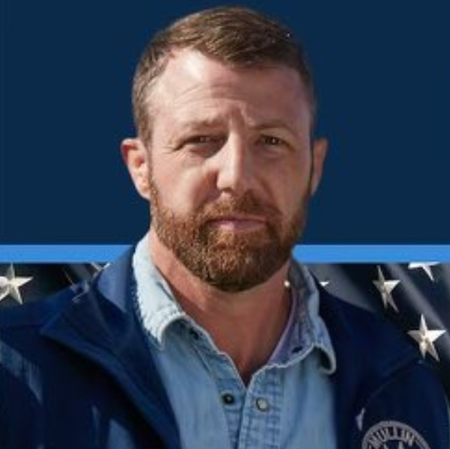
US Homeland Security Secretary nominee Markwayne Mullin expressed his backing for legal immigration while advocating for stricter enforcement of immigration laws. Distinguishing between legal and illegal migration during his Senate testimony, Mullin emphasized the importance of upholding the system for law-abiding individuals. He highlighted the significance of enforcement in safeguarding national security, citing the Department of Homeland Security’s mission to protect the homeland.
Lawmakers voiced concerns regarding enforcement actions impacting individuals following legal immigration pathways, with some highlighting instances of detention during immigration-related appointments. Mullin, although not familiar with specific cases, assured that individuals pursuing legal status would continue to be processed. Emphasizing the obligation to enforce all laws, Mullin hinted at a shift towards enhanced coordination with local authorities for enforcement activities.
Addressing queries on enforcement in settings like hospitals, Mullin underscored the need for actions to align with circumstances and legal mandates, supporting law enforcement in carrying out their duties. The hearing underscored contrasting views on immigration policy, with Democrats emphasizing civil liberties and Republicans focusing on border security. Mullin aimed to restore trust in DHS, aiming to reduce controversial incidents and lead the agency towards its core mission.
While Mullin did not propose alterations to visa programs, his remarks hinted at stricter compliance and oversight measures. This could entail heightened scrutiny for migrants, including skilled workers and green card applicants, without altering existing legal pathways but ensuring stricter enforcement. DHS, responsible for immigration enforcement, border security, and aspects of the legal immigration system, impacts visa holders, asylum seekers, and permanent residency applicants.
The Senate is poised to swiftly progress on Mullin’s nomination, with potential further clarifications sought on additional matters in a closed-door briefing.
