


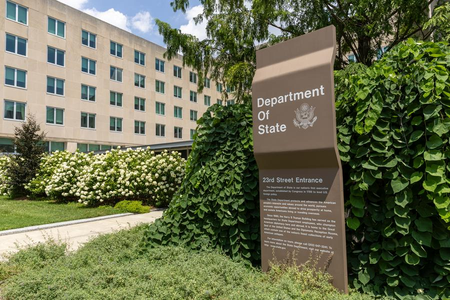
The United States views its reaction to China’s ascent as crucial for the 21st century, emphasizing a conditional economic partnership with India within its broader Indo-Pacific strategy. The State Department’s Agency Strategic Plan for Fiscal Years 2026–2030 underscores the significance of addressing China’s rise, citing implications for global economic competition and US interests in the Indo-Pacific region. Notably, the plan highlights the importance of regional peace and stability, emphasizing the economic importance of Asia and the need to engage with growing economies like India.
The strategic plan outlines a two-pronged approach focusing on economic and security aspects in the Indo-Pacific region. Economically, the US aims to promote a system free from external coercion and open to American participation, advocating for secure supply chains and alternatives to Chinese dependencies. Simultaneously, the plan stresses the need for a favorable military balance to safeguard trade routes and deter aggression, particularly in response to China’s military expansion.
Furthermore, the strategy emphasizes the value of alliances and partnerships in advancing US interests in the region. It highlights the importance of closer economic and military ties with allies and partners in the Indo-Pacific, emphasizing mutual benefits and countering challenges posed by China’s economic strategies. The plan also underscores the integration of economic statecraft with national security, aiming to bolster American industries and technological prowess in the 21st century.
The Indo-Pacific region has emerged as a key arena for strategic rivalry between the US and China, with issues such as trade, technology, supply chains, and military activities at the forefront of tensions. The US strategy seeks to navigate this complex landscape by engaging with regional partners, promoting economic resilience, and maintaining a strong military presence to uphold its interests in the face of China’s growing influence.
