


The peace agreement between the United States and Iran has been hailed as a positive development by Dr. Ranjeet Mehta, CEO and Secretary General of the PHD Chamber of Commerce and Industry. Mehta emphasized that the deal is likely to have a beneficial impact on global supply chains, helping to alleviate inflationary pressures and fiscal burdens.
Mehta highlighted that the agreement’s implications are particularly significant for countries like India, which heavily rely on crude oil imports. With India importing over 80% of its crude oil needs, any reduction in global oil prices could lead to a decrease in inflation and contribute to managing the fiscal deficit effectively.
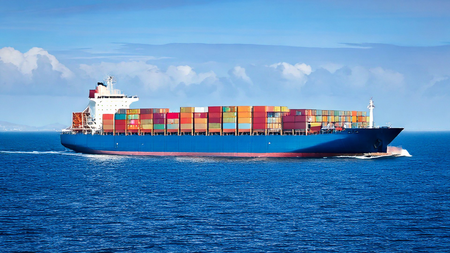
The reopening of the Strait of Hormuz, as part of the agreement, holds crucial importance as it accounts for nearly 20% of global crude oil shipments. Mehta stressed that the uninterrupted operation of this strategic waterway is essential for ensuring stable energy supplies worldwide.
According to Mehta, the smooth functioning of the Strait of Hormuz will play a key role in securing a continuous flow of crude oil, benefiting the global economy in the long run. He also commended the Indian government for efficiently managing supply chains during recent geopolitical challenges in West Asia, resulting in India experiencing a relatively moderate rise in energy prices compared to other nations.
Mehta further expressed optimism about the positive impact of the US-Iran peace agreement on the Indian economy. He explained that lower crude oil prices could lead to a decreased demand for the US dollar, potentially stabilizing the Indian rupee against the American currency. Additionally, the agreement has boosted market sentiment, as evidenced by the strong performance of Indian equity markets on Monday.
Indian benchmark indices closed the day with significant gains, with the Sensex rising by 736.38 points (0.97%) to reach 76,264.33 and the Nifty advancing by 231 points (0.98%) to settle at 23,853.90.
