


The second round of US-Iran talks in Pakistan has hit a snag, leading to mounting frustration in Islamabad. The city has been on lockdown for almost a week, with heightened security measures in place for the visiting foreign delegations. Residents and local observers are expressing discontent over the disruption, pointing out the irony of the city coming to a standstill for guests who do not fully trust or value Pakistan.
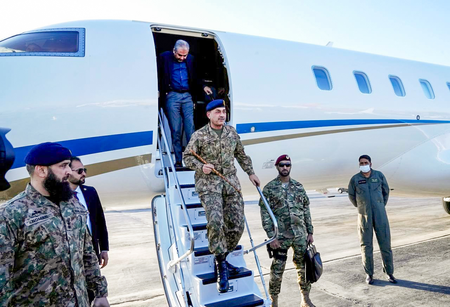
Efforts to kickstart the peace process between the United States and Iran have suffered a setback. The Iranian Foreign Minister’s sudden departure from Islamabad led to the cancellation of a planned visit by US envoys, signaling a halt in the current diplomatic channel. Pakistani Army Chief Asim Munir traveled to Muscat seeking Omani support after diplomatic efforts in Islamabad faltered.
A major obstacle in the US-Iran talks seems to be Iran’s significant lack of trust. Tehran has raised concerns about Pakistan’s role as a neutral and reliable mediator. Diplomatic sources suggest that Iran doubts Pakistan’s integrity, suspecting that the country may be sharing inaccurate or distorted information with the US government.
Iran is showing a preference for Oman as a more neutral and trustworthy venue for negotiations. There is a growing belief within Iranian circles that Pakistan’s involvement in the talks is a strategic move to aid the US in buying time for military preparations in the region. General Munir’s urgent visit to Muscat is viewed as an effort to engage Omani officials in restarting the dialogue and restoring Pakistan’s diminishing relevance in the peace process.
