


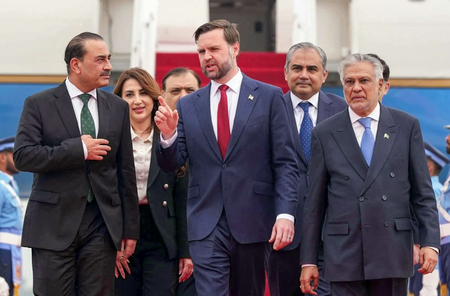
The temporary truce between the United States and Iran is not solely credited to Pakistan’s diplomatic efforts, as per a report. It is seen as part of Washington’s strategy to de-escalate a costly conflict. Pakistan’s role was that of an intermediary, not an independent negotiator, driven by concerns over regional stability and economic ties with Gulf nations.
The report highlights that while Pakistan gained visibility through this mediation, it also revealed its reliance on external powers and potential strains with Gulf allies. India, despite rejecting mediation, indirectly benefited from the de-escalation, safeguarding its energy and remittance flows. Pakistan’s involvement showcased visibility rather than significant strategic influence.
Despite Pakistan’s attempts to portray its mediation as a diplomatic success, internal consequences may not be as favorable. There are concerns that the Pakistani military could exploit this narrative to consolidate power further, potentially impacting democratic institutions. The report suggests that Pakistan’s perceived importance may be exaggerated by media coverage, with visibility not equating to real influence.
Pakistan’s economic dependencies on entities like the IMF and countries such as the US, China, and Gulf states continue to shape its strategic limitations. While short-term visibility may be gained, it does not translate into substantial strategic influence. The country’s focus remains on managing debt obligations and securing financial support rather than making independent strategic decisions.
In contrast, the report notes that India’s more measured and practical approach is likely to yield better long-term outcomes compared to Pakistan’s constrained strategic position. Foreign policy assessments should consider long-term implications, with Pakistan’s visibility not necessarily indicative of enhanced strategic standing.
