


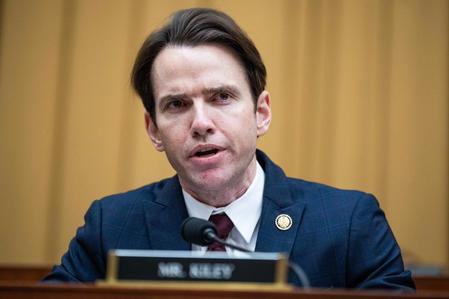
US lawmakers recently deliberated on the growing presence of artificial intelligence (AI) in American classrooms. While teachers have embraced AI for its time-saving benefits, concerns have been raised regarding its impact on learning, privacy, and academic integrity. Congressman Kevin Kiley highlighted that a significant number of US public school teachers, around 60%, utilized AI tools during the 2024-2025 academic year, with reported time savings of up to six hours per week.
Many teachers acknowledge the advantages of AI tools, with those using them weekly estimating a saving of approximately six hours, equivalent to almost six weeks of additional teaching time annually. However, a considerable portion of teachers, 70%, expressed feeling unprepared to effectively integrate AI into their teaching practices. Moreover, there are apprehensions about student misuse, as 85% of teachers voiced concerns about students using AI inappropriately.
Survey data revealed that nearly 40% of middle and high school students admitted to using AI without teacher permission to complete assignments. Stakeholders like Michele Blatt, West Virginia’s state superintendent of schools, emphasized the importance of guidance over strict regulations in AI adoption within classrooms. It was underscored that AI should complement rather than replace teachers, as relationships play a pivotal role in driving student learning.
Anish Sohoni, CEO of Teach For America, echoed the sentiment that AI should not supplant teachers but serve as a supplementary educational tool. Sohoni highlighted the significance of fostering safe and connected learning environments, emphasizing that relationships are fundamental to effective learning outcomes. Teach For America has provided training on responsible AI usage to over 4800 teachers since 2020.
Experts caution against hasty AI integration, emphasizing the need to balance technological advancements with critical thinking skills. David Slykhuis, representing teacher education colleges, stressed the importance of not overly relying on technology and maintaining a focus on nurturing critical thinking abilities. Alison Knox from Microsoft addressed privacy concerns, assuring that student data is not utilized to inform AI models and is not shared with third parties.
The rapid proliferation of AI tools like chatbots and automated lesson planners in US schools has prompted districts to explore evolving policies. Lawmakers from both political parties emphasized the necessity of robust teacher training and clear safeguards to navigate the increasing presence of AI in educational settings.
