


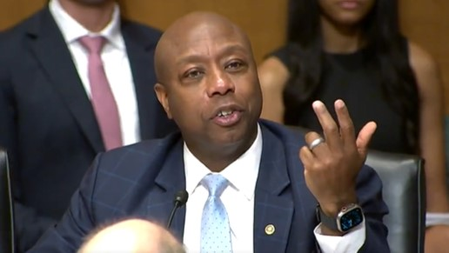
US lawmakers, from both parties, emphasized the importance of safeguarding America’s technological superiority against China in the field of artificial intelligence (AI). At a Senate hearing, concerns were raised about national security, job protection, and the rapid growth of AI. Chairman Tim Scott highlighted the necessity for the US to leverage AI for economic advancement while preventing countries like China from gaining a strategic edge.
AI was described as a valuable tool with the potential to cut costs, enhance financial services, aid small businesses, and boost employment opportunities. However, it was underscored that the US must not allow China or any other adversary to surpass it in AI technology. Bipartisan consensus was evident during the hearing on the urgency of restricting China’s access to advanced American AI technologies.
The discussion revolved around the adequacy of existing export controls in preventing the transfer of advanced AI chips to China, either directly or through intermediaries. Concerns were raised by David Feith, a former National Security Council official, about China’s ambitions and the necessity for stronger safeguards. Lawmakers proposed bipartisan legislation to tighten restrictions on exporting advanced AI chips and semiconductor manufacturing equipment to China.
Apart from national security, the economic implications of the AI boom were deliberated upon. Sarah Myers West from the AI Now Institute cautioned about the risks associated with significant borrowing for AI infrastructure projects and its potential impact on the broader economy. While supporters highlighted AI’s potential to enhance productivity, healthcare, cybersecurity, and economic growth, the debate also touched on the competitive dynamics between American and Chinese companies.
The hearing occurred amidst the backdrop of the US and China vying for dominance in AI, semiconductors, and other critical technologies crucial for both economic prosperity and national security.
