


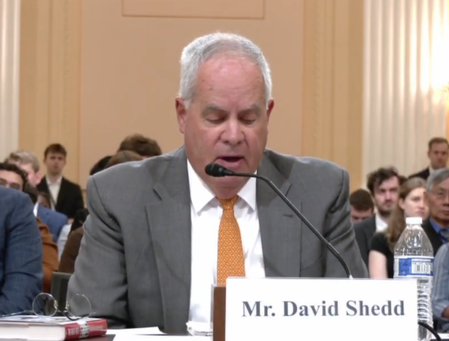
US lawmakers have raised concerns about China’s increasing efforts to obtain American artificial intelligence technology and other advanced innovations through various means like economic espionage, cyber operations, and commercial investments. During a hearing of the House Select Committee on the Chinese Communist Party, former Acting Director of the Defence Intelligence Agency David Shedd highlighted Beijing’s extensive system to acquire American commercial and technological secrets. Shedd emphasized that China’s blend of cyber espionage, human intelligence, academic collaboration, and commercial investments has significantly contributed to its economic and military advancements.
China has strategically positioned itself as a global technological power by leveraging cyber espionage, intelligence operations, academic partnerships, and commercial investments to access sensitive technologies. Beijing’s intelligence agencies target a wide range of sectors, including artificial intelligence, telecommunications, biotechnology, quantum computing, and advanced weapons systems. Shedd noted that this campaign also encompasses targeting corporate America, professors, and academic researchers, indicating the significant growth in China’s intelligence services in terms of size and capability.
The hearing also addressed concerns regarding artificial intelligence, with reports suggesting that Chinese tech giant Alibaba had engaged in targeting a US AI company called Anthropic through a “distillation” attack aimed at extracting knowledge from advanced AI models. Shedd explained that this technique involves simplifying data from expensive AI models to replicate them at a lower cost, enabling Chinese firms to advance without the need for expensive research and development. He stressed the importance of protecting American technology assets and advocated for enhanced collaboration between the government and industry to safeguard intellectual property.
Amid discussions on raising the cost of Chinese influence operations, Shedd highlighted the importance of addressing issues related to TikTok and enforcing existing legislation to signal Beijing and restrict access to user data. The hearing underscored the escalating technological competition between the US and China, positioning artificial intelligence, semiconductor technology, quantum computing, and biotechnology as critical areas with both commercial and military implications.
