


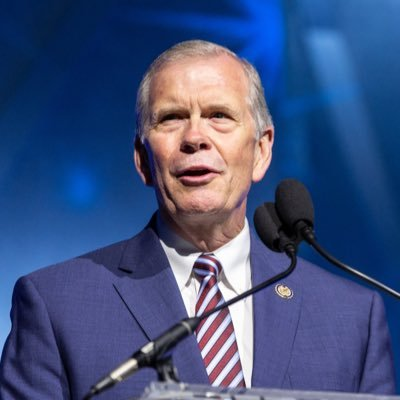
US lawmakers have cautioned about foreign actors, particularly those associated with China, targeting American universities for espionage and influence. Chairman Tim Walberg highlighted that adversaries are taking advantage of open academic systems, posing a threat to national interests on university campuses. While emphasizing the need to safeguard research, he stressed the importance of maintaining global collaboration.
University officials acknowledged the reality of threats but expressed confidence in their ability to manage them. Domenico Grasso, president of the University of Michigan, mentioned the institution’s enhanced security measures in response to the increased threat. These measures include expanded background checks, improved data protection, and closer coordination with federal agencies.
At the University of Florida, officials outlined a similar proactive approach to address security concerns. Cassandra Farley highlighted the university’s practices of screening research hires, scrutinizing foreign ties, and monitoring international travel. She also referenced warnings from federal agencies regarding foreign talent programs associated with China, emphasizing the university’s commitment to safeguarding its research enterprise.
During the hearing, testimony revealed instances of direct targeting of students. Elsa Johnson, a Stanford student journalist, shared her experience of being contacted online by an individual posing as a peer, who later attempted to extract research information and encourage travel to China. Subsequent investigations indicated potential ties to China’s Ministry of State Security, raising concerns about foreign influence and security threats.
Lawmakers expressed varying views on the severity of the situation, with some highlighting the clear national security risks posed by such incidents. While Republican representatives underscored the need for vigilance, some Democrats cautioned against overstating the threat and advocated for a balanced approach that does not unfairly target international students. Representative Suzanne Bonamici emphasized the importance of addressing college costs and student debt, urging a focus on these issues rather than fostering “xenophobic” narratives.
Despite being global research leaders attracting talent worldwide, US universities face vulnerabilities that can be exploited if protective measures falter.
