


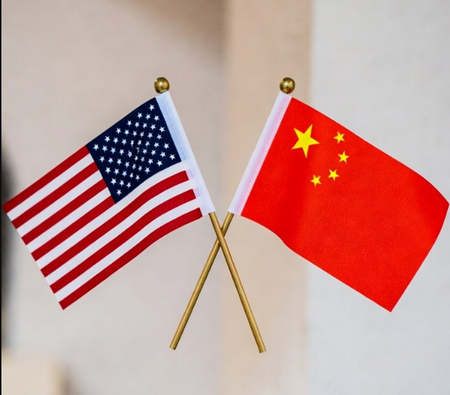
Top American lawmakers and experts have raised concerns about the United States’ heavy dependence on foreign critical minerals, particularly from China, citing it as a direct national security risk. Congressman Paul Gosar emphasized the crucial role of minerals like copper, rare earths, and lithium in defense systems, electronics, and advanced technologies during a House subcommittee hearing. He highlighted the country’s significant reliance on imports, with China dominating global processing and refining capacities.
Lawmakers from both political parties acknowledged the strategic implications of the supply chain vulnerability. Representative Jared Huffman pointed out governance issues, criticizing the lack of transparency and oversight in federal investments worth billions. Expert witnesses highlighted China’s strategic control over mineral supply chains, urging the US to swiftly establish alternative supply chains to counter this dominance.
Geologist Simon Jowitt emphasized the untapped mineral potential in the US but noted limited exploration due to insufficient geoscientific data and slow permitting processes. He stressed the importance of a comprehensive domestic ecosystem, stating that mining must be accompanied by processing and refining to ensure national security. National security expert Abigail Hunter warned about the time-consuming nature of building supply chains and the risks posed by sudden disruptions, particularly China’s ability to influence global markets rapidly.
The discussion also addressed concerns about government investment strategies, with watchdog groups cautioning against potential conflicts of interest and lack of transparency in federal equity stakes in mining firms. Despite political differences, there was a consensus on the critical role of minerals in economic growth and military capabilities, ranging from consumer electronics to advanced defense systems. The hearing highlighted the economic significance of the mining industry, contributing substantially to the US GDP and supporting millions of jobs with above-average wages.
Experts emphasized the need for a multifaceted approach involving domestic production, international cooperation, and demand-side policies to address the challenges posed by China’s dominance in the mineral supply chain. They proposed creating a market alliance among US allies to counterbalance China’s influence. The urgency of the issue has escalated due to geopolitical tensions and the increasing demand for minerals driven by clean energy initiatives, defense upgrades, and digital infrastructure development, making supply chain resilience a key aspect of US strategic planning.
