


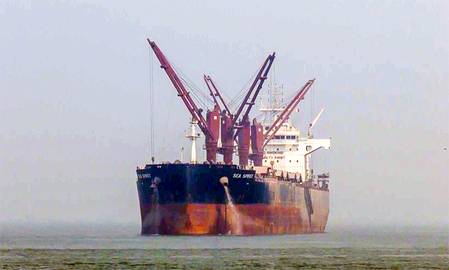
The US Navy’s blockade of Iran has created economic strain on Tehran despite a temporary ceasefire. This blockade has impacted China’s oil purchases from Iran, which were facilitated through a covert financial system and ghost tankers. Iran’s Islamic Revolutionary Guard Corps (IRGC) has sustained itself using shell companies and shadow banking corridors to keep oil revenue flowing outside formal financial channels.
The US has shifted its focus from targeting individual aspects of the covert system to dismantling the entire network established by China and Iran to evade western sanctions. China’s teapot refinery sector played a crucial role in processing Iran’s oil exports and providing hard currency to the IRGC for financing regional proxies like Hezbollah, Hamas, and the Houthi rebels.
China utilized Iran as a testing ground for evasion methods, aiming to apply these strategies on a larger scale if faced with US sanctions. The IRGC operated a fleet of tankers under false identities to conceal Iranian crude shipments to Chinese buyers, with Chinese refiners benefiting from discounted Iranian crude.
Recent US sanctions have targeted entities and individuals involved in Iran’s shadow banking system, impacting 19 shadow fleet vessels and warning companies paying IRGC tolls for the Strait of Hormuz passage. This action marks a significant blow to the network that facilitated covert financial transactions between China and Iran.
