


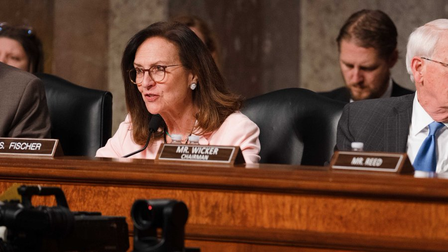
The United States is facing a concerning period characterized by simultaneous nuclear rivalry with China and Russia, as highlighted by lawmakers and defense officials during a Senate hearing. Senator Deb Fischer emphasized the challenge of deterring two nuclear adversaries at once, pointing out the expansion and modernization of nuclear forces by both countries. Officials from the Department of Energy and Department of Defense detailed plans to upgrade aging infrastructure and weapons systems, some dating back to the Cold War.
Robert Kadlec expressed urgency by describing China’s rapid and opaque expansion, while cautioning about Russia’s integration of new nuclear capabilities into its strategy. David Beck stressed the necessity of modernizing the nuclear stockpile as a top priority, citing the ongoing production of critical materials and the rebuilding of aging infrastructure. Senator Angus King echoed concerns about China’s swift nuclear build-up, emphasizing the seriousness of recent intelligence briefings.
At the Pentagon, officials underscored the need for next-generation capabilities, with a focus on programs like the Sentinel intercontinental ballistic missile and B-21 bomber for timely delivery. Military commanders raised alarms about the strain on current forces amid ongoing modernization efforts. Naval officials highlighted the importance of sustaining sea-based deterrence through investments in nuclear-powered submarines and carriers for maritime dominance.
The hearing also addressed the significant investment required for nuclear modernization, which accounts for a substantial portion of the defense budget. Lawmakers acknowledged the financial challenges of upgrading all three legs of the nuclear triad simultaneously but emphasized its necessity. They described the situation as a financial burden that must be addressed, reflecting the concentration of spending in a short timeframe.
