


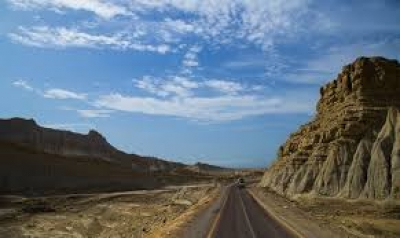
The US government recently committed $1.25 billion for the extraction of copper and gold from the Reko Diq mining project in Balochistan, Pakistan. This move was viewed positively by state officials as a vote of confidence in the country’s investment potential. However, for the Baloch population, it symbolizes a prioritization of minerals over human lives, raising concerns.
The announcement followed visits by Pakistan’s army chief and Prime Minister to the US, where they presented Pakistan’s mineral resources to seek American support. Balochistan, described as one of South Asia’s most militarized and politically oppressed regions, has a history of human rights violations and military operations that have deeply affected its communities.
Balochistan has witnessed enforced disappearances, extrajudicial killings, and mass arrests by Pakistan’s armed forces, creating a climate of fear and suppression. The article questions the legitimacy of large-scale mining projects in Balochistan, highlighting the lack of genuine consent from the local population and the heavy military presence surrounding resource extraction activities.
The article emphasizes the importance of respecting the rights of people to self-determination and sovereignty over their natural resources. It criticizes the lack of transparency, consultation, and benefits for local communities in mining agreements in Balochistan, suggesting that such projects are imposed rather than negotiated. The ethical implications of foreign investments in the region without proper human rights safeguards are also underscored.
Investments in projects like Reko Diq are viewed skeptically by many Baloch people, who see them as further endorsing their suffering and devaluing human lives in favor of mineral wealth. The article raises concerns about international actors potentially becoming complicit in supporting repressive regimes without ensuring accountability and respect for human rights.
