


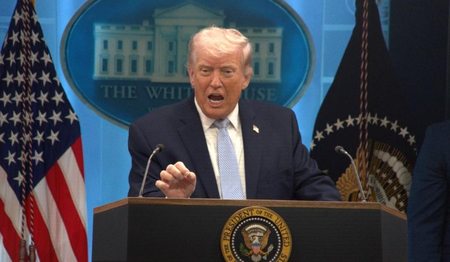
US President Donald Trump is looking to adjust the terms of the agreement with Iran to end the ongoing conflict, while Tehran is gearing up to introduce new elements. The White House is waiting for a fresh response from Iran, with negotiations potentially regressing, according to sources cited by The New York Times. Trump aims to hasten talks by increasing pressure on Iran but faces challenges due to the intricate Iranian hierarchy.
Final approval from Supreme Leader Mojtaba Khamenei in Tehran is crucial for any changes to the agreement, leading to potential delays in negotiations. Following Trump’s initiative, Iran is expected to propose new modifications to the draft agreement, as per reports from the Tasnim news agency. Trump is seeking more detailed provisions on managing Tehran’s 60% enriched uranium stockpiles and the procedures for reopening the Strait of Hormuz for maritime traffic.
The current draft agreement includes Iran’s commitment to refrain from developing nuclear weapons and a 60-day negotiation period on Tehran’s nuclear obligations and fissile material disposition. Trump aims to specify the timing and methods for the US to acquire such material, emphasizing the prevention of nuclear weapon acquisition by any means. Despite the challenges, the White House remains optimistic about reaching an agreement, with expectations ranging from a few days to over a week for finalization.
Ongoing talks and exchanges with the US are being cautiously monitored by Iranian Foreign Minister Abbas Araghchi, who urges against premature judgments or speculation. While Araghchi adopts a conciliatory approach, parliamentary speaker Mohammad Bagher Ghalibaf asserts that Iran will not approve any agreement without ensuring the rights of its people. The complexity of the situation is further highlighted by Iranian President Masoud Pezeshkian’s reported resignation letter to Khamenei, indicating internal power struggles at the highest levels.
