


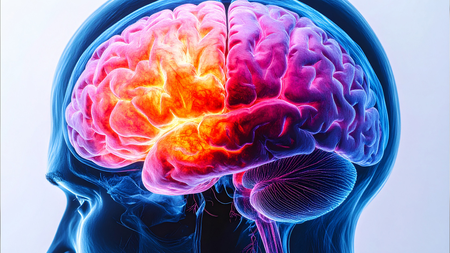
In a breakthrough study, researchers in the US have found that Alzheimer’s disease may be reversible, contrary to long-held beliefs about its irreversibility. The research, published in Cell Reports Medicine, indicates that maintaining proper NAD+ balance could prevent and even reverse the disease. NAD+ is a crucial cellular energy molecule linked to Alzheimer’s.
The study, conducted on diverse preclinical mouse models and human Alzheimer’s brains, revealed a severe decline in NAD+ levels in the brains of Alzheimer’s patients and mouse models. Andrew A. Pieper, the senior author of the study and Director of the Brain Health Medicines Center at University Hospitals, expressed excitement over the results. Restoring NAD+ balance led to pathological and functional recovery in mice with advanced Alzheimer’s, suggesting potential benefits for patients.
Mice engineered with genetic mutations associated with Alzheimer’s were used in the study. By administering a known pharmacological agent called P7C3-A20 to restore NAD+ balance, researchers observed prevention of Alzheimer’s development and reversal of major pathological events in mice with advanced disease. Cognitive function was fully restored in both sets of mice, indicating promising outcomes.
