


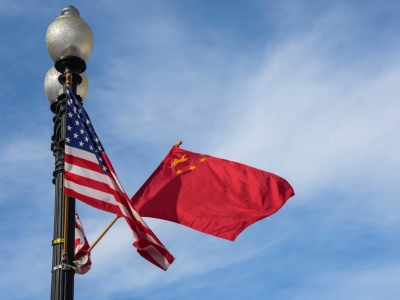
US Secretary of State Marco Rubio emphasized the United States’ increased actions to combat China’s growing presence in Latin America. Rubio addressed the House Appropriations Subcommittee on National Security, Department of State, and Related Programs, labeling China’s expanding influence in the Western Hemisphere as a significant challenge for US foreign policy. He outlined China’s strategy of securing access to natural resources and expanding influence through infrastructure investments in the region.
Rubio pointed out China’s focus on acquiring critical minerals and energy resources in Latin America through long-term agreements and investment projects. Additionally, he highlighted Chinese investments in strategic infrastructure such as telecommunications networks, ports, and transportation facilities. Rubio expressed concerns about the region’s growing dependence on Chinese financing due to limited alternative sources of investment.
The Secretary stressed the importance of connecting Latin American governments with American and allied alternatives to Chinese-backed projects. He mentioned the need to identify and link US and Western allied alternatives to counter what China offers in the region. Rubio’s remarks came during a discussion with Representative Mario Diaz-Balart, who commended the administration’s efforts to re-engage with South America following his recent visit.
Rubio acknowledged the historical inconsistency in prioritizing Latin America among successive US administrations. He cited Paraguay as a country maintaining strong ties with the US and Taiwan despite pressure from Beijing. The Secretary also highlighted ongoing cooperation with regional governments on critical minerals, supply chains, and economic development. He warned about the strategic implications of Chinese financing, including expectations for political influence and leverage in international organizations.
The renewed US focus on Latin America aligns with broader global competition with China as Beijing extends its economic and diplomatic influence. China has emerged as a significant trading partner and investor in various Latin American countries over the past two decades, supporting major projects in transportation, energy, mining, and telecommunications.
