


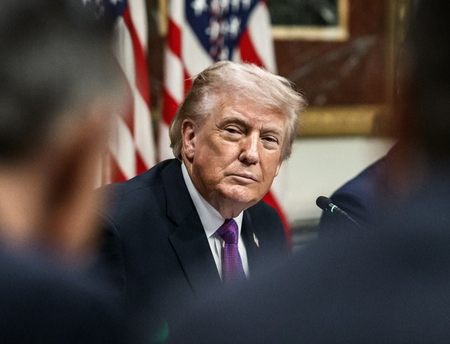
Legal immigration to the United States has significantly decreased in the first eight months of 2025, with India and China being notably impacted due to stricter visa regulations under the Trump administration. The State Department reported a reduction of around 250,000 visas issued from January to August 2025 compared to the same period in 2024. This decline encompasses various visa categories, including those for students, workers, family members of US citizens, and tourists.
India and China experienced some of the most substantial declines, with visas for their nationals decreasing by approximately 84,000. The drop was primarily driven by fewer visas issued for students, workers, and family-related purposes. International students were particularly affected, with student visas plummeting by over 30% during the first eight months of 2025, while exchange visitor visas also saw a sharp decline of nearly 30,000.
The decrease in visa approvals extended to permanent residency applications, with notable reductions observed in visas granted to workers, certain relatives, and individuals from countries like Afghanistan and Iraq. Analysts and officials attribute this decline to a combination of policy alterations and administrative factors, including a travel ban affecting 19 countries, a temporary halt on student visa interviews, and enhanced vetting procedures such as social media screenings.
Staffing reductions at the State Department have further impacted processing capabilities, leading to fewer consular appointments and increased wait times at popular locations. State Department spokesman Tommy Pigott emphasized that visas are considered a privilege, not a right, highlighting the administration’s commitment to prioritizing American citizens’ safety over mass migration of unvetted foreign nationals. White House spokeswoman Abigail Jackson echoed this sentiment, stating that President Trump’s policies are centered on putting American citizens first.
Analysts suggest that both demand and policy-related factors are contributing to the decline in visa issuances. Cecilia Esterline of the Niskanen Center noted the challenge in distinguishing between the influence of demand and policy changes on visa numbers, acknowledging that both elements are influencing the downward trend. Critics of the restrictions warn that such measures could negatively impact the US economy and its global competitiveness, emphasizing the critical role immigration plays in driving economic growth, innovation, and productivity.
