


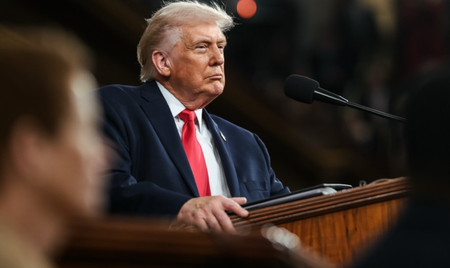
US Senate Democrats have criticized President Donald Trump for exacerbating a farm and food affordability crisis. They claim that Trump’s tariff policies have given China an advantage in global agriculture, leading to increased grocery prices in the US. According to a new report titled “Trump’s Broken Promises: Devastating America’s Farmers and Working Families,” the Democrats argue that Trump’s trade war with China has significantly reduced US export markets and placed American farmers in financial distress.
The report highlights that China, a former major buyer of US soybeans, ceased purchases in response to Trump’s tariffs. This shift resulted in China redirecting its soybean purchases to Argentina and Brazil, causing a 32% decline in US soybean sales since 2024. American farmers are now facing surplus commodities they cannot sell and uncertainty about future planting decisions.
Concerns are raised in the report regarding foreign influence in the US food system. It mentions that Smithfield Foods, owned by China’s WH Group, holds a dominant position in the US pork market, controlling a quarter of pork processing. Additionally, Syngenta Group, a key supplier of agricultural chemicals and seeds, is owned by ChemChina, a Chinese state-owned enterprise, giving China significant control over essential inputs for American farmers.
Democrats argue that Trump’s domestic policies have compounded the challenges faced by farmers. Senator Maria Cantwell emphasized the financial strain on American farmers and ranchers due to rising costs and diminishing markets. The report reveals that grocery prices have surged, with beef prices up by 16.4%, coffee by 19.8%, lettuce by 7.3%, and frozen fish by 8.6% over the past year, resulting in American families paying $310 more for groceries during Trump’s first year in office.
The report also points out that consolidation in meatpacking and seed markets has worsened the crisis, with farmers retaining only 15.9 cents of every dollar spent on food. It highlights a significant increase in farm bankruptcies, with 315 farmers filing for bankruptcy in 2025, marking a more than 46% rise from the previous year. Rob Larew, President of the National Farmers Union, expressed concerns over unpredictable trade policies and corporate consolidation affecting family farmers and consumers alike.
The ongoing debate over tariffs and agricultural exports between the US and China has been a focal point of economic tensions. Soybeans, often used as a political indicator, play a crucial role in states like the Midwest where export markets are vital for farm incomes. Food inflation and farm bankruptcies have emerged as key domestic political issues in the US, drawing bipartisan attention despite disagreements among lawmakers on tariffs, antitrust enforcement, and the future of American trade policy.
