


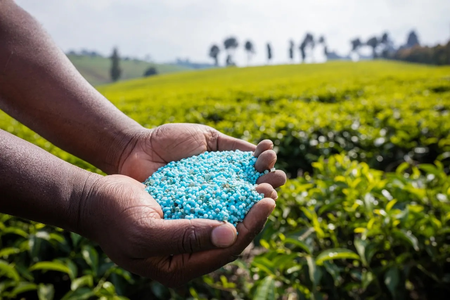
India’s significant fertiliser purchases and farm policies came under scrutiny in a recent US Senate hearing. Concerns were raised about global supply disruptions and rising input costs affecting American agriculture. Witnesses at the Senate Agriculture Committee highlighted India’s role in shaping international fertiliser prices, emphasizing its status as a major buyer in the market.
Corey Rosenbusch, President and CEO of The Fertilizer Institute, pointed out that India, the world’s second-largest fertiliser consumer, had recently conducted a substantial urea tender at nearly $1,000 per metric ton. He noted that India heavily subsidizes fertiliser purchases to support its farmers, impacting global demand and supply dynamics. The hearing addressed the challenges faced by US farmers, including escalating fertiliser expenses, shrinking profits, and increasing bankruptcies in rural areas.
Amidst concerns over surging fertiliser costs, lawmakers from both parties highlighted the issue as a national security and food supply concern. South Dakota farmer Trent Kubik shared how rising costs had led to adjustments in fertiliser usage and planting decisions. Witnesses also raised alarms about disruptions in the Strait of Hormuz, a critical shipping route for fertiliser ingredients. The hearing underscored worries about China’s export restrictions on fertilisers, exacerbating global supply constraints and price pressures for farmers worldwide.
The discussion at the hearing also focused on bipartisan efforts to enhance fertiliser market transparency and boost domestic production capacity in the US. India, being a major fertiliser importer, heavily relies on global supply chains for essential nutrients like urea, potash, and phosphates. Any prolonged disruptions in shipping routes or spikes in international fertiliser prices could escalate New Delhi’s subsidy burden and impact agricultural input costs ahead of crucial crop seasons.
