


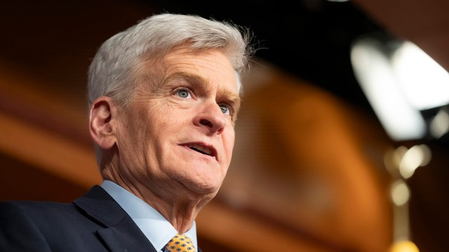
Two senior US senators, Jeanne Shaheen and Bill Cassidy, have put forth a bipartisan bill to prevent foreign governments and their proxies from using US courts to intimidate critics and dissidents through costly legal battles. The legislation, known as the End Foreign Abuse of United States Courts Act, aims to combat the use of strategic lawsuits against public participation, commonly referred to as SLAPP suits, by foreign entities targeting individuals in the US. Shaheen and Cassidy highlighted the growing trend of authoritarian governments employing legal tactics to suppress dissent abroad.
The bill proposes a new legal framework that would enable courts to swiftly dismiss lawsuits initiated by foreign governments or their proxies if the cases seem to be aimed at stifling political speech or activism. Currently, it is relatively simple for foreign actors to file such lawsuits in American courts, compelling critics and dissidents to invest significant time and resources in defending themselves. Shaheen emphasized that the legislation is designed to prevent US courts from being manipulated as tools of political coercion.
The proposed law would establish a Foreign Sovereign Anti-SLAPP statute, which would elevate the legal threshold for foreign government plaintiffs and expedite the dismissal of baseless cases. Defendants would be permitted to file a special motion for the dismissal of lawsuits brought by foreign governments or their agents if the claims are linked to political speech or public engagement. Courts would be mandated to dismiss such cases if the plaintiff fails to substantiate a credible legal basis for the claim or if there is no genuine material fact in question.
Additionally, the bill would halt other legal proceedings once a motion to dismiss is submitted and necessitate courts to rule on the motion within 90 days. In the event of the defendant prevailing, courts could grant attorney’s fees and costs. Judges would also have the authority to impose punitive damages if they find that the lawsuit was filed to harass or unjustly escalate litigation expenses. The legislation further specifies that foreign states would not be shielded from such penalties if they are discovered to have pursued abusive litigation in US courts.
The scope of the proposed law would encompass lawsuits initiated by governments of countries identified as foreign adversaries, as well as individuals or entities substantially controlled by them, particularly when the cases target protected speech or political activities.
