


The conflict in Iran is causing the US to refocus its strategic commitments from the Indo-Pacific region back to the Middle East, according to a former senior Biden administration official. Over the past two decades, there has been a bipartisan effort to shift military, diplomatic, and strategic attention towards the Indo-Pacific, away from the Middle East. This shift was aimed at addressing challenges in Asia, including China’s rise and technological advancements.
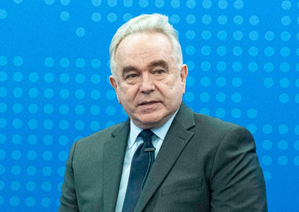
Former US Deputy Secretary of State Kurt Campbell highlighted that various administrations, including those of Obama, Trump, and Biden, have worked towards this strategic realignment. Efforts have included reallocating military resources, strengthening alliances, and emphasizing Asia in key strategic policies. However, the decision to support Israel in attacking Iran has disrupted this shift, reversing the trend that had been established.
The immediate impact of this change has been on leadership focus and military deployments. Operations in the Gulf are now demanding significant attention from top government officials, diverting resources from the Indo-Pacific. Military assets previously stationed in Asia have been redirected to support activities in the Gulf, affecting the balance of power in the region. Diplomatic engagements crucial to Indo-Pacific strategy, such as planned summits and outreach to allies, have been postponed or altered due to the ongoing conflict.
While some officials suggest that these changes are temporary and that strategic attention will return to the Indo-Pacific, concerns remain about the long-term implications. Past experiences have shown the challenges of disengaging from conflicts once involved, raising fears of prolonged entanglement in the Middle East. This shift in focus is likely to impact US relations in Asia, potentially unsettling partners and emboldening China in the region.
