


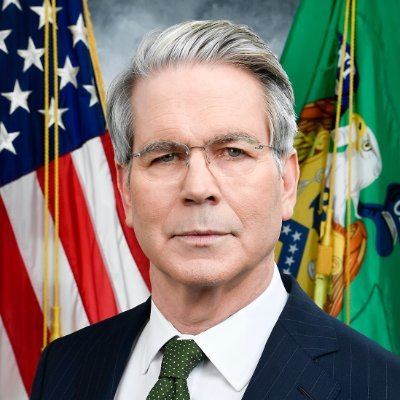
US Treasury Secretary Scott Bessent defended a temporary sanctions waiver on Russian oil, stating it prevented a significant surge in global prices. Testifying before a Senate panel, Bessent highlighted the waiver’s role in stabilizing oil supply during a volatile period. He emphasized that the waiver helped avert a potential price increase, with oil prices currently at $100 instead of a projected $150 without the relief.
Democrats raised concerns about the waiver potentially bolstering Russia’s financial resources for the war. Senator Chris Coons warned that the move could send billions of dollars to Moscow, undermining pressure on Russia. He questioned the effectiveness of the policy in providing relief to consumers facing high fuel costs, such as $4 per gallon gas prices in Delaware.
Bessent refuted claims that Russia or Iran had significantly benefited from the waiver. He defended the decision, citing global requests from vulnerable countries to extend the sanction relief for 30 days. Lawmakers highlighted the burden of rising fuel prices on American households, with Senator Jack Reed noting the current cost of over $4 per gallon at the pump.
Addressing market trends, Bessent pointed out that the oil market’s current state indicated a potential decline in prices over time. He expressed optimism that as conflicts resolve, gasoline prices could return to previous levels or even decrease. The differing viewpoints in Washington on the waiver underscore a broader debate on whether flexibility in sanctions can stabilize markets or weaken pressure on targeted countries.
