


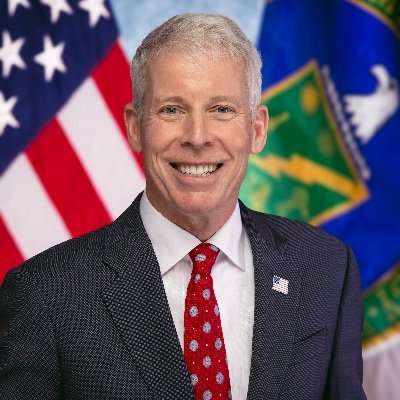
The United States is being urged to expand electricity generation and update its power grid to accommodate the rapid growth of artificial intelligence, according to Energy Secretary Chris Wright. At a BlackRock summit panel discussing America’s AI future, Wright emphasized the need for significant energy to support data centers and advanced computing, which is often underestimated. He highlighted the necessity of facilitating large-scale infrastructure projects in the country, citing decades of insufficient investment in energy infrastructure.
Wright, along with NextEra Energy CEO John Ketchum and Google President Ruth Porat, emphasized the substantial new electricity capacity required for artificial intelligence. They expressed confidence in the US’s capability to meet this demand if regulatory and infrastructure challenges are addressed promptly. The focus was on ensuring energy policy prioritizes reliability and affordability over political considerations to support the emerging energy-intensive industry of artificial intelligence.
Ketchum stressed the urgency for energy companies to rapidly expand to meet the power demands of AI data centers, which necessitate substantial and continuous power supplies. NextEra Energy, a major energy company, is heavily investing in large data center hubs capable of generating multiple gigawatts of electricity. Ketchum mentioned the need for a diverse energy mix, including gas, nuclear, solar, and storage, to efficiently supply the grid while managing costs.
Porat highlighted the current underinvestment in energy generation and infrastructure in the US, despite the escalating construction of data centers by technology firms. She noted Google’s direct investments in energy projects alongside data centers to ensure adequate power supply, emphasizing the importance of stabilizing electricity prices through such initiatives. Wright argued that increased electricity demand from data centers could potentially lead to long-term price reductions by optimizing the utilization of existing infrastructure.
The panelists also raised concerns about workforce shortages potentially hindering the development of power systems and data centers. Wright emphasized the crucial need for skilled trade workers like electricians, plumbers, and welders to support the construction of complex energy infrastructure projects. He highlighted the significance of states encouraging energy investment and electricity generation to drive economic growth and attract investments.
