


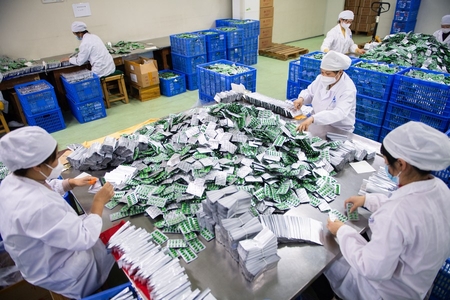
The United States faces a concerning reliance on China for raw materials crucial in producing many common medicines, as highlighted in a Senate hearing. Lawmakers and experts emphasized this dependence as a national security risk and a potential public health crisis. The Senate Special Committee on Ageing session revealed how offshore pharmaceutical manufacturing has made the US susceptible to supply disruptions and foreign influence over vital drugs.
Committee chair Senator Rick Scott stressed that the issue goes beyond a few medications, pointing out that essential drugs like antibiotics, diabetes treatments, and blood pressure medications now often source key components from outside the US. Decades of decisions favoring cost savings over security have allowed China to dominate a significant portion of the global pharmaceutical supply chain, he noted.
Senator Kirsten Gillibrand, the committee’s Ranking Member, highlighted the US’s heavy reliance on China and India for crucial ingredients used in manufacturing generic drugs and active pharmaceutical components. She attributed China’s stronghold to factors such as government support, lower labor expenses, and lax environmental regulations. Gillibrand urged Congress to grant the FDA more authority to ensure foreign drug producers meet US safety standards.
Former Congressman Ted Yoho warned that China’s control over the pharmaceutical supply chain poses substantial health and national security risks for the US. Concerns were also raised about the safety and quality of imported drugs, with author Rosemary Gibson citing a military testing program that found significant quality issues in some generic medicines. Gibson emphasized the potential catastrophic impact on the US health system if China were to halt exports of critical materials.
Chan Harjivan, a fellow at the Duke-Margolis Institute for Health Policy, advised policymakers to focus on bolstering supply chains rather than seeking complete disengagement from global production. He suggested building a resilient network of trusted partners and maintaining domestic capabilities for essential medicines. The discussion underscored bipartisan worries in Washington regarding supply chains linked to China, echoing similar concerns raised during the Covid-19 pandemic about vulnerabilities in global manufacturing networks.
