


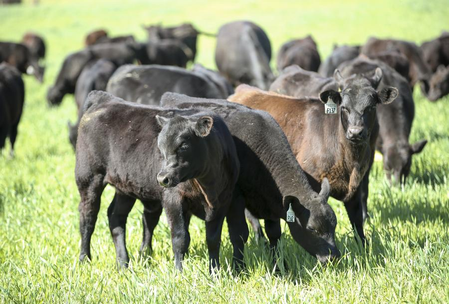
The US Department of Agriculture (USDA) has verified a second case of the New World Screwworm (NWS) in Texas, occurring in the same county where the initial US detection in decades was reported. This recent case involved a one-month-old calf in Zavala County, located about 9 km from the first confirmed incident reported earlier in the week, which affected a three-week-old calf. NWS is a harmful parasitic pest that impacts livestock, pets, wildlife, and occasionally humans by infesting living tissue through burrowing into wounds and consuming flesh, leading to severe damage in infected animals.
The USDA is collaborating closely with Texas authorities to address these detections. An emergency response team from the US Animal and Plant Health Inspection Service has been dispatched to the site, with mobile response units on-site and the release of sterile screwworm flies ongoing at a rate of approximately 6 million flies per week through aerial and ground operations. Movement control zones have been put in place, surveillance has been heightened, and treatment supplies are being furnished through the Texas Animal Health Commission, as per the USDA.
US Secretary of Agriculture Brooke Rollins stated that federal and state agencies are actively executing an emergency response strategy to contain the spread of the pest within the country. Efforts include expanding the targeted release of sterile NWS flies, increasing trapping for NWS flies along the border, and enhancing wildlife monitoring. Approximately 8 million sterile flies are being released weekly through aerial and ground-based operations. Despite being eradicated from the United States many years ago, the pest persists in parts of South America, where infections in animals and humans still occur. In recent times, the pest has advanced northward through Central America and Mexico, as per the USDA.
