


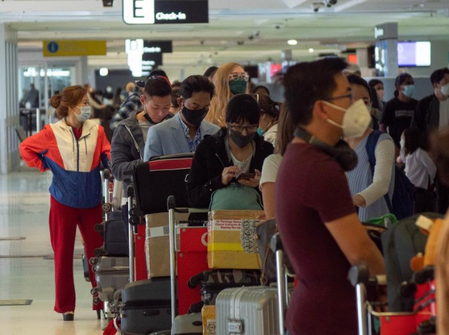
Virgin Australia announced plans to cut flights and potentially increase fares to counter the impact of soaring jet fuel prices. The airline expects its fuel costs in the second half of 2026 to rise significantly, attributing this surge to escalating oil prices linked to Middle East tensions. To manage the price volatility, Virgin Australia will enhance fuel hedging and make operational adjustments, including tweaking fares and capacity. The airline disclosed a 1% reduction in total domestic capacity for the current June quarter.
Qantas Group also addressed the issue of escalating fuel expenses, projecting a potential hit of up to 800 million AUD due to the same reason. In response, Qantas has already trimmed domestic capacity by 5 percentage points in the fourth quarter of 2026. This move aligns with a broader trend in the aviation industry as airlines navigate the challenges posed by the surge in fuel costs.
Singapore and Australia recently reaffirmed their commitment to bolstering economic resilience and ensuring the smooth flow of essential supplies amidst the ongoing Middle East crisis. Both countries emphasized their strategic partnership in energy security, with Singapore being a key supplier of refined petroleum products to Australia and Australia a major LNG supplier to Singapore. The leaders pledged to cooperate closely to meet each other’s energy demands and facilitate the movement of critical supplies, including diesel and LNG, during periods of market volatility. Additionally, they highlighted the importance of upholding a rules-based multilateral trading system, especially in times of global uncertainty.
