


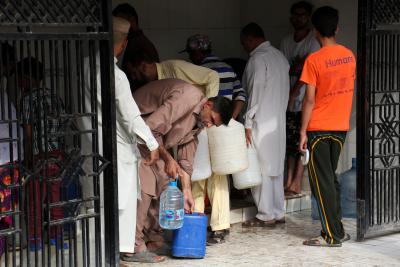
A report has highlighted a major water crisis in Balochistan, Pakistan, exacerbated by a demographic explosion that poses a threat to the province’s fragile ecology. In Quetta, families face a daily struggle for water, with households rationing every drop for essential needs like cooking and hygiene. The population of Balochistan has surged to 14.89 million, with projections indicating a potential increase to over 35 million by 2050.
The province’s overreliance on groundwater, with 95% of farmland dependent on it, has led to a critical situation where the water table is rapidly depleting. Groundwater levels have dropped significantly over the years, with some areas experiencing a plunge from 50 to over 150 meters in depth. This unsustainable trend is further exacerbated by a mismatch between water supply and demand in Quetta, where the government’s supply falls short of the daily requirement.
Experts warn that the situation in Balochistan is dire, with rising populations and falling water tables creating a complex web of challenges. The looming water crisis is not uniform across the province, with vulnerable districts facing acute food insecurity and displacement risks. Efforts to address the water scarcity, such as the Mangi Dam project, have been marred by delays and budget overruns, adding to the urgency of the situation.
