


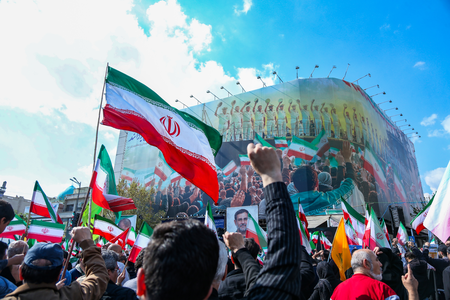
The conflict in West Asia involving the United States, Israel, and Iran has disrupted the region’s security framework, leading to uncertain outcomes. Gulf nations, traditionally reliant on US security assistance and weaponry, faced challenges when Iranian attacks targeted American bases, questioning the efficacy of US defense systems. Despite US military actions against Iran, including eliminating top leaders, the conflict persists, highlighting the limitations of air power strategies.
Former Indian Foreign Secretary Kanwal Sibal criticized the US approach, noting its reliance on military might and intimidation tactics, which have not yielded the desired results. The reluctance to engage in ground operations to avoid casualties and political backlash has complicated the situation for President Donald Trump, especially amid internal divisions over the conflict. Sibal emphasized the illegality of the war, citing violations of the UN Charter and the complex historical grievances between the involved parties.
Sibal expressed concerns over the global repercussions of the conflict, questioning the US administration’s handling of the crisis. He criticized Trump’s erratic behavior on social media and public platforms, highlighting the disjointed and confrontational nature of his statements. Iran’s adoption of asymmetrical warfare tactics, such as disrupting maritime traffic in the Strait of Hormuz, further complicates the situation, challenging US responses and strategies.
The inconsistency in Trump’s decision-making, including wavering responses and appeals to international bodies like NATO and the UN, reflects the complexities of the conflict. Sibal pointed out the irony in US actions, noting the administration’s selective engagement with international organizations while pursuing military interventions independently. The ongoing conflict underscores the broader implications of regional tensions and the need for a diplomatic resolution to prevent further escalation.
