


The West Asia crisis has influenced Indian travel choices, accelerating the transition to electric vehicles (EVs). A report by SBI Research suggests that with a 20% adoption rate by 2030, EV penetration could save Rs 1 lakh crore in import bills, up from the current 10%.
Following the US-Iran conflict onset on February 28, EV registrations in India have surged significantly. The period from March to June saw an average of 2.3 lakh registrations, a substantial increase from the 2025 average of 1.3 lakh registrations.
The report predicts that total EV registrations in India may surpass the 25 lakh mark in 2026 at the current growth rate. Pure EV penetration in overall registrations has been steadily increasing, rising from less than 2% in 2024 to over 8% in 2026. Some states have even exceeded a 10% share of pure EV registrations.
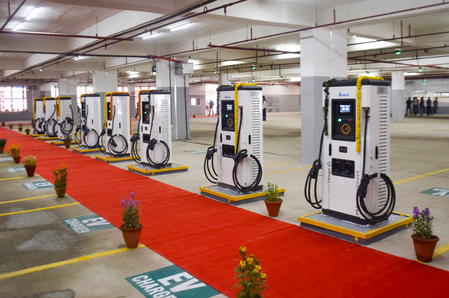
India currently boasts 29,151 charging stations, with Karnataka and Maharashtra accounting for 35% of these stations. Delhi plans to install 32,000 charging points within the next four years as part of its new EV policy.
The success of EV adoption hinges significantly on the availability of charging infrastructure, according to the report. By 2030, it is projected that out of 4 crore registered vehicles in India, 20% will be EVs, amounting to 80 lakh EVs. Additionally, an estimated 35 lakh more EVs are expected to replace petrol vehicles during the 2027-2030 period.
Delhi’s new EV policy includes purchase incentives for two-wheelers, three-wheelers, and N1 commercial trucks, along with waivers on road tax and registration fees for eligible EVs.
