


The West Bengal government has directed the establishment of ‘holding centres’ in every district to detain individuals suspected of being Bangladeshis or Rohingyas. These suspects can be held in these centers for up to 30 days. The state government clarified that not only those arrested on suspicion of infiltration but also individuals previously detained and those in the process of deportation can be accommodated in these facilities.
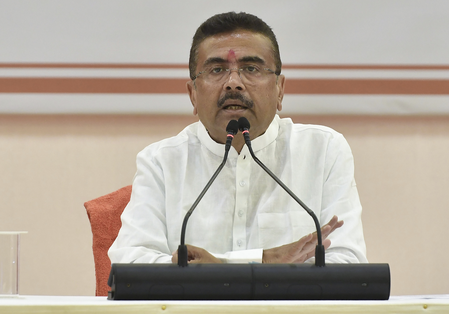
Chief Minister Suvendu Adhikari recently criticized the previous government for not adhering to the Central government’s instructions on identifying and repatriating infiltrators. Following the BJP government’s tenure, the state has enforced relevant laws, targeting individuals not covered under the Citizenship Amendment Act for immediate identification and arrest. Such individuals will be handed over to the Border Security Force for repatriation.
The state government’s directive outlines the initiation of the process to repatriate illegal Bangladeshi and Rohingya residents, with holding centers to be established across all districts. These centers will house illegal infiltrators and foreign detainees released from state prisons. Instructions have been issued to authorities to expedite the setup of these facilities, with notifications sent to key law enforcement officials in the state.
On May 2, 2025, the Union Home Ministry’s Foreigners Division issued an eight-page guideline concerning Rohingya and Bangladeshi infiltrators, emphasizing the establishment of ‘holding centers’ for their temporary detention. As per the guidelines, individuals suspected of not being Indian citizens can be detained for 30 days pending citizenship verification. The final decision on their status will be made by designated district-level officers.
The West Bengal government’s strategy for dealing with illegal immigrants involves a ‘detect, delete, and deport’ approach, aligning with the detailed instructions provided by the Centre. States have been urged to form district-based special task forces to identify and repatriate illegal immigrants. Those identified as infiltrators will have their biometric data recorded and shared with the authorities before being handed over to the Border Guard for repatriation and blacklisting in India.
