


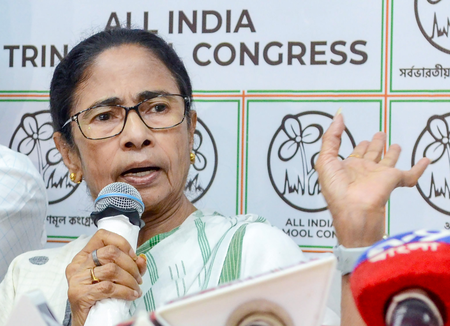
In a significant turn of events in West Bengal, voters have shown their dissatisfaction with the Trinamool Congress government by voting out Chief Minister Mamata Banerjee and a majority of her cabinet members after their 15-year rule. The BJP secured its first victory in the state, with 22 out of 35 ministers from Mamata’s cabinet losing in the 2026 elections, including Mamata herself.
The defeat of Mamata Banerjee in her own constituency of Bhabanipur, where her former aide Suvendu Adhikari emerged victorious by a substantial margin, highlights the specific rejection of her leadership. This electoral outcome, termed a “silent verdict,” saw a significant 63% of her cabinet colleagues losing in their respective constituencies, signaling a clear rejection of the state’s outgoing leadership by the voters.
The voters’ discontent extended beyond individual candidates to a rejection of the core leadership of the Trinamool Congress, reflecting concerns over issues like women’s safety, corruption, unemployment, and infrastructure. Key ministers handling crucial portfolios faced defeat, leading analysts to view this electoral mandate as a comprehensive rejection of the Trinamool’s governance model by the people of West Bengal.
Several prominent faces from Mamata’s cabinet, such as Aroop Biswas, Bratya Basu, Chandrima Bhattacharya, and others, lost in their respective constituencies, further underscoring the widespread dissatisfaction with the ruling party. The electoral outcome also saw ministers like Nirmal Majhi, Udayan Guha, and Siddiqullah Chowdhury losing their seats to BJP candidates by significant margins, reflecting a significant shift in the state’s political landscape.
