


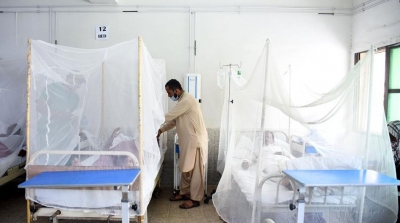
More than poverty, lack of proper documents, fear, marginalization, and gender are preventing women in Pakistan from accessing healthcare services, as per a report in Dawn. Women in Pakistan often lack documentation and rely on male relatives for access, leading to exclusion from public services due to social norms and power imbalances. The absence of identity documents, coupled with social norms, excludes women from healthcare services, according to Tahera Hasan, a lawyer and founder-CEO of Imkaan Welfare Organisation.
Insights from a community-based maternity home highlight that women’s avoidance of healthcare is driven by fear, administrative barriers, and the costs associated with navigating systems not designed for them. The lack of documents can lead to humiliation, especially in maternity settings, where women may face refusal of care and public shaming, reinforcing avoidance of formal healthcare within communities. Traditional birth attendants and home births are preferred due to the fear of mistreatment in institutional healthcare settings, particularly in male-dominated public hospitals.
The financial burden of seeking institutional care, including travel costs, repeated visits, and time away from work, makes accessing healthcare challenging for low-income families. Even though services are officially free, the cumulative impact of expenses and logistical challenges deters women from seeking institutional care. Private healthcare, despite higher costs, offers little relief, with concerns rising about the over-medicalization of childbirth, pushing families towards unnecessary caesarean sections.
Women in Pakistan do not avoid healthcare out of carelessness but due to the system’s indignities, financial strains, and administrative risks, notes Hasan. She emphasizes the need for a healthcare system that recognizes documentation barriers, addresses gender dynamics, and prioritizes dignity in care provision.
