


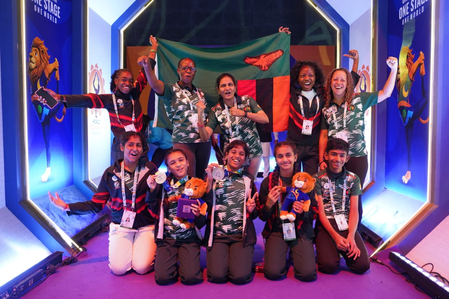
Zambia’s rise in yogasana from practicing on makeshift sacks to winning medals at the World Yogasana Championship showcases the influence of Indian-origin communities in Africa. Chitula Albert, who introduced yoga in a Zambian school using stitched sacks due to a lack of resources, faced initial skepticism due to yoga’s religious associations. However, his persistence led to the integration of yoga into school activities, attracting more participants over time.
Albert’s journey with yoga began in the late 1980s when an Indian resident taught him basic practices, which he later incorporated into his role as a teacher and vice principal. Despite starting with just a few students, Albert’s use of social media to expand reach and live-stream sessions garnered interest from across Zambia. With support from an Indian-origin sponsor providing yoga mats, the program gained momentum and formal recognition.
The involvement of Indian-origin residents in Zambia played a crucial role in promoting yoga, leading to increased participation, the formalization of the sport, and government recognition. By 2024, Zambia initiated national Yogasana championships, with ministry officials attending to show support. This culminated in the country’s participation in the World Yogasana Championship in Ahmedabad, where Zambian athletes, including Niya Vijayvarjiya, excelled and won medals.
The championship not only highlighted Zambia’s progress but also showcased yoga’s influence in other African nations with ties to Indian communities. Athletes from Rwanda, Niger, Chad, and other countries, many introduced to yogasana during their time in India, participated in the event. Mahamadou Sanoussi Issia, Niger’s representative, noted the growing popularity of yoga in his country, with celebrations starting on June 7 leading up to the International Day of Yoga on June 21.
