


Onam, Kerala’s iconic harvest festival, is more than just a cultural celebration—it is a vibrant tapestry of traditions, myths, and rituals that unite communities. Marking the homecoming of the legendary King Mahabali, Onam embodies prosperity, unity, and joy. Spread across ten days in the Malayalam month of Chingam (August–September), Onam is celebrated with grandeur, bringing alive Kerala’s agrarian roots, festive flavors, and rich cultural heritage.
Check Out: Onam 2025: Joyful Grand Festival of Kerala – Dates, Rituals, and Powerful Significance
In this blog, we explore the unique Onam traditions that make this festival truly unforgettable.
1. Pookkalam – The Floral Carpet of Unity
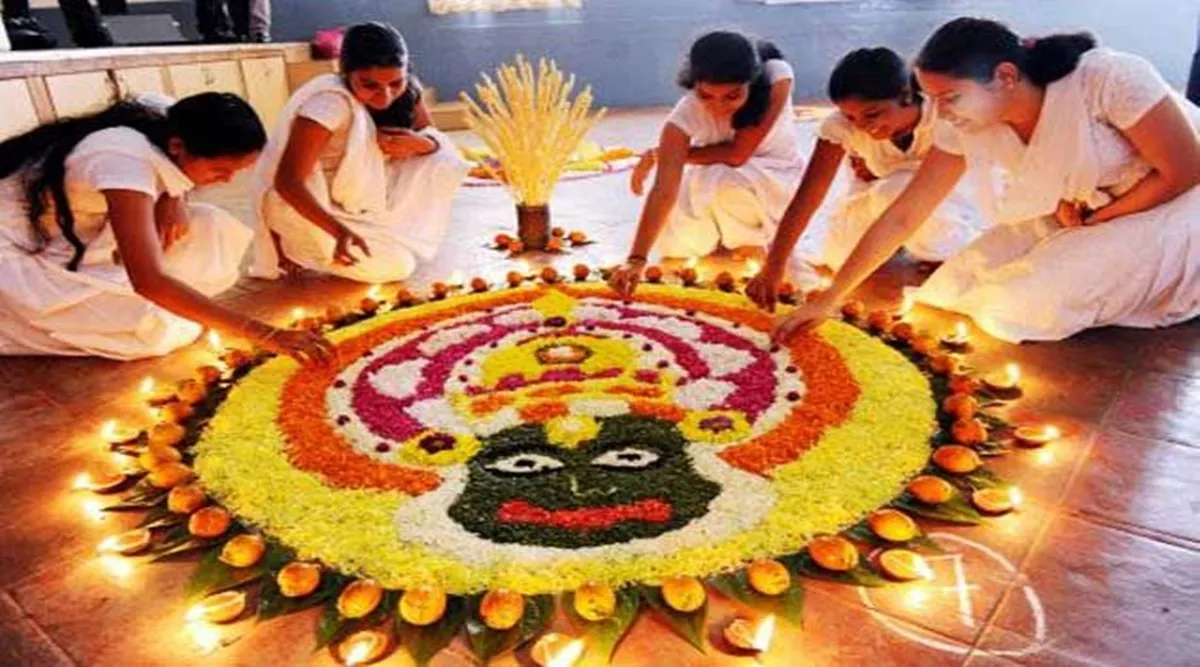
One of the most delightful traditions of Onam is Pookkalam, an intricate floral carpet laid at the entrance of homes. Each day, a new layer of flowers is added, culminating in a vibrant design on Thiruvonam, the final day. Communities often hold Pookkalam competitions, turning it into a joyous group activity. It is both an art form and a spiritual gesture to welcome King Mahabali.
2. Onam Sadhya – A Feast of Abundance
The Onam Sadhya (grand feast) is an elaborate vegetarian meal served on a banana leaf, consisting of over 25 dishes like Avial, Thoran, Sambhar, Rasam, and the iconic Payasam. This communal meal celebrates Kerala’s agricultural richness and symbolizes harmony, as people eat together regardless of social differences.
3. Vallam Kali – The Legendary Snake Boat Race

Kerala’s backwaters come alive during Onam with the famous Vallam Kali, where long snake boats rowed by up to 100 oarsmen compete in breathtaking races. The rhythmic rowing and spirited songs echo Kerala’s deep connection with its waterways. The Aranmula Uthrattathi Boat Race is among the most popular spectacles.
4. Thiruvathira Kali – Dance of Devotion
Performed by women in graceful synchrony, Thiruvathira Kali is a circular dance around a lamp. Dancers clap rhythmically while singing folk songs, celebrating marital happiness and feminine grace. It is a highlight of Kerala’s cultural identity during Onam.
5. Pulikali – The Tiger Dance of Thrissur

One of the most colorful and quirky Onam traditions, Pulikali sees men paint themselves as tigers and hunters, dancing through the streets to drumbeats. This folk art, performed mainly in Thrissur, attracts tourists from across the globe for its sheer vibrancy.
6. Athachamayam – The Royal Procession
Onam festivities begin with Athachamayam in Thrippunithura, near Kochi. The grand parade features decorated elephants, folk performances, and floats depicting Kerala’s cultural diversity. Historically, it was led by the kings of Kochi, adding royal charm to the celebration.
Check Out: Onam Sadya Recipes Made Simple – Delicious Festive Dishes You Must Try
7. Onathallu – Kerala’s Martial Arts Tradition
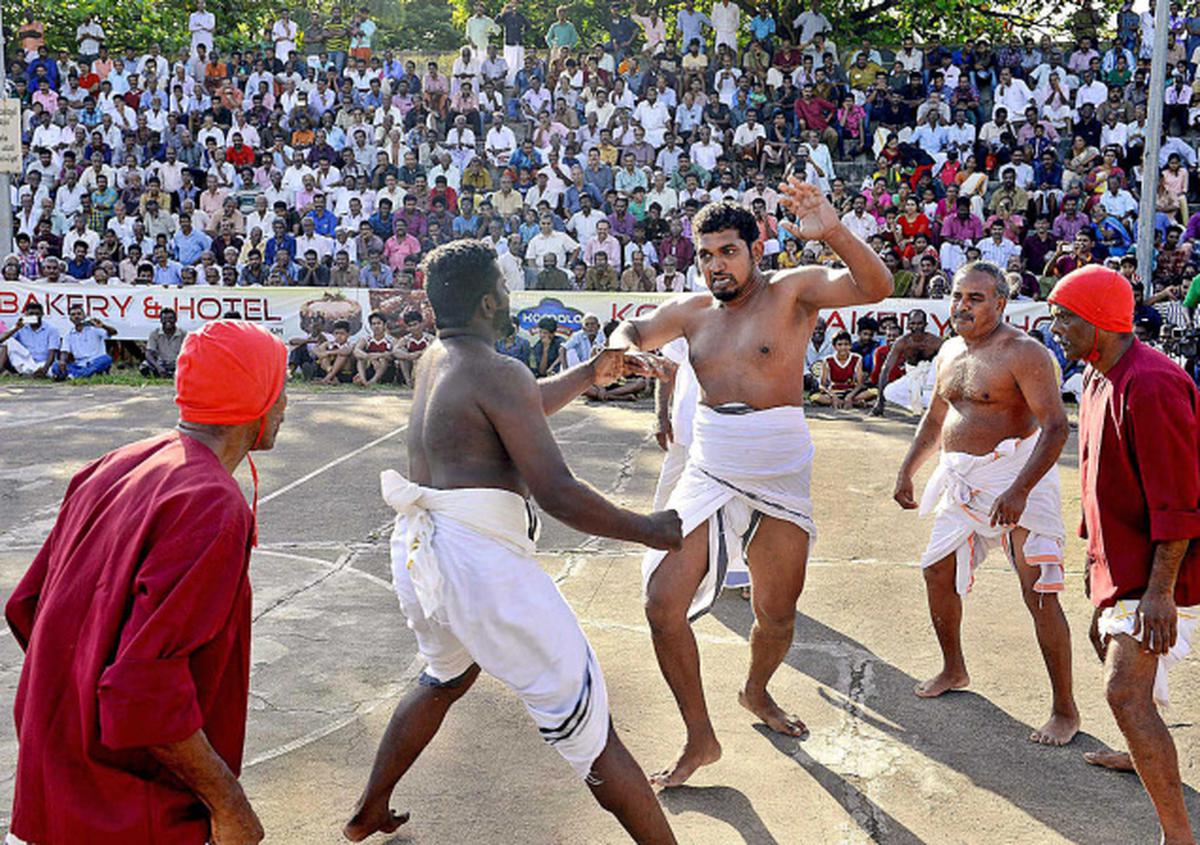
In northern Kerala, Onam is marked by Onathallu, a martial art performance that showcases agility, strength, and Kerala’s warrior spirit. Sometimes, elements of Kalaripayattu—one of the oldest martial arts in the world—are incorporated.
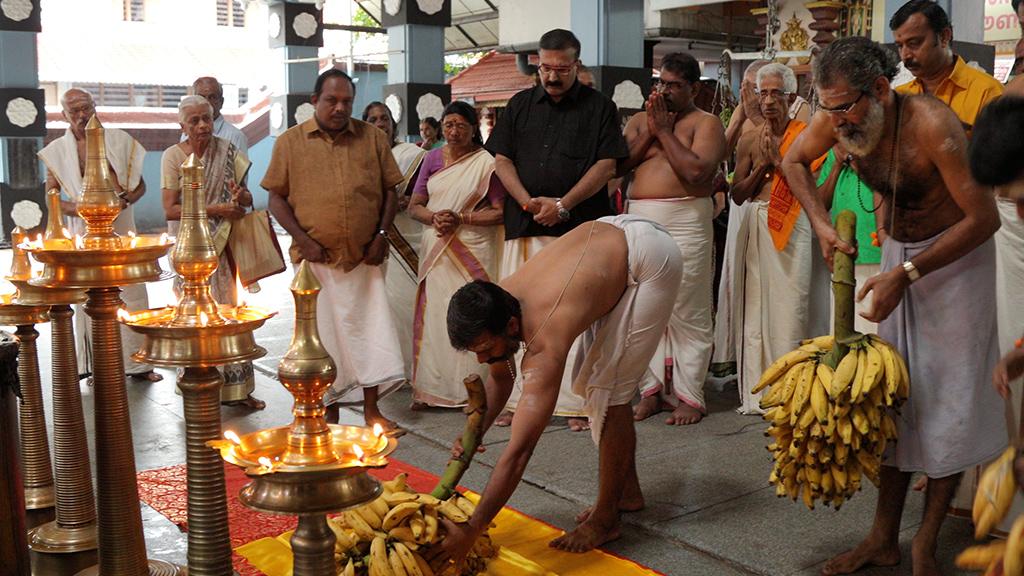
8. Kazhcha Kula – The Sacred Banana Offering
Bananas hold great significance during Onam. Kazhcha Kula, or the offering of banana bunches to temples, is a symbolic act of prosperity and community giving. Many families also donate bananas and other produce to the needy during the festival.
9. Onakazhcha – Gratitude to the Harvest
Farmers bring the finest yield of their harvest as offerings to temples in a ritual called Onakazhcha. These offerings reflect gratitude to the gods and are later shared among the community, symbolizing generosity and collective joy.
10. Maveli and Onapottan – Living Legends of Onam
No Onam is complete without symbolic visits from Maveli (King Mahabali) and Onapottan, who appear in traditional attire, blessing families and spreading festive cheer. Their presence reinforces the mythological roots of the festival.
Why Onam is Celebrated – The Legend of King Mahabali
Onam is deeply rooted in Hindu mythology. According to legend, King Mahabali was a just and generous ruler whose reign marked a golden age of prosperity. Threatened by his popularity, the gods sought Lord Vishnu’s intervention. Vishnu appeared as Vamana (the dwarf Brahmin) and asked for three paces of land. Expanding into a giant form, he covered heaven and earth in two steps, and Mahabali offered his head for the third.
Impressed by his humility, Vishnu blessed him to visit his people once a year—thus marking the celebration of Onam.
Significance of Onam Traditions Today
Onam traditions go beyond rituals—they symbolize Kerala’s cultural pride, unity, and inclusiveness. The festival celebrates:
- Agricultural heritage – marking the harvest season.
- Cultural preservation – with dances, arts, and folklore.
- Unity and equality – as people feast together regardless of status.
- Environmental harmony – through flower decorations and natural offerings.
The Timeless Charm of Onam
From floral carpets to snake boat races, the Onam traditions of Kerala reflect joy, generosity, and gratitude. Beyond being a harvest festival, Onam is a cultural phenomenon that unites people across generations. It is a reminder of a golden era, of the values King Mahabali stood for, and of the timeless bond between nature, culture, and community.
As families gather this Onam, the spirit of sharing, unity, and celebration continues to make it one of India’s most enchanting festivals.
