
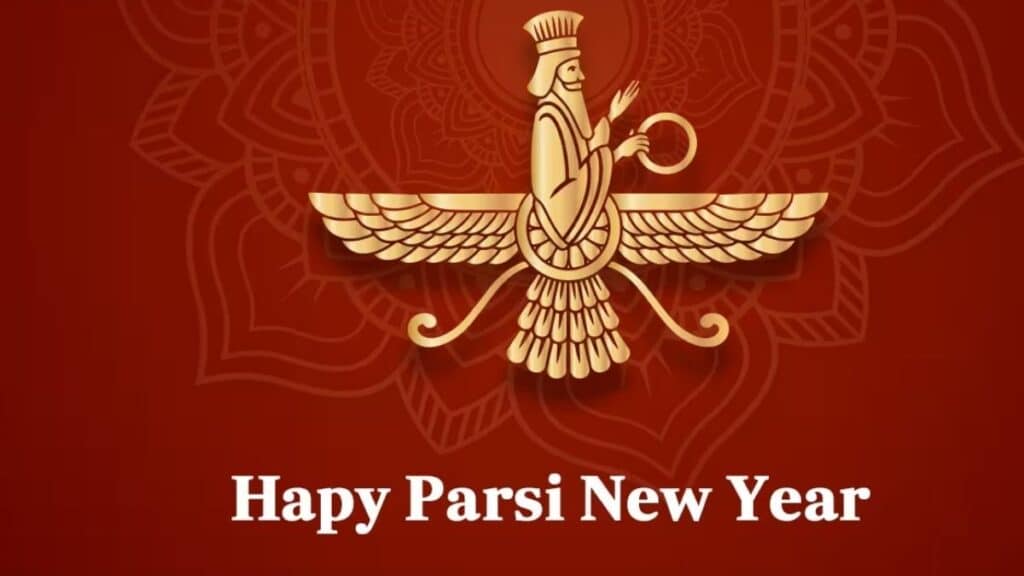
Parsi New Year, celebrated as Navroz (meaning “New Day” in Persian), is the most joyous festival in the Zoroastrian calendar. It marks the beginning of a fresh year guided by the three sacred principles of the faith: Humata, Hukhta, Hvarshta — Good Thoughts, Good Words, and Good Deeds.
The day preceding Navroz is called Pateti, derived from the Avestan word patet, meaning repentance. Pateti is a day of introspection — Parsis reflect on the year gone by, seek forgiveness for wrongdoings, and resolve to enter the New Year with a purified spirit. Over time, the two names have become interchangeable in popular usage, though Pateti technically refers to the eve and Navroz to New Year’s Day.
Rooted in Zoroastrianism — one of the world’s oldest monotheistic religions — Navroz has been celebrated for over 3,000 years. While primarily observed by India’s Parsi community, it is also held sacred by Baháʼí followers and Ismaili Muslims worldwide.
When Is Parsi New Year in 2026?
Parsi New Year in India follows the Shahenshahi calendar, which does not account for leap years, causing the celebration to fall in August rather than at the spring equinox like the Iranian Nowruz.
Parsi New Year 2026 Dates in India
- Pateti (Eve of New Year / Day of Repentance): August 15, 2026 — Saturday
- Navroz (New Year’s Day): August 16, 2026 — Sunday
Most Parsis visit the Agiary (Fire Temple) early in the morning on Navroz, ideally before 9:00 AM IST, to offer prayers and sandalwood.
Table of Contents
Parsi New Year In USA, Canada, Australia, New Zealand, UK, UAE, Singapore 2026 Dates
- Pateti (Eve of New Year / Day of Repentance): August 15, 2026 — Saturday
- Navroz (New Year’s Day): August 16, 2026 — Sunday
- Pateti (Eve of New Year / Day of Repentance): August 15, 2026 — Saturday
- Navroz (New Year’s Day): August 16, 2026 — Sunday
- Pateti (Eve of New Year / Day of Repentance): August 15, 2026 — Saturday
- Navroz (New Year’s Day): August 16, 2026 — Sunday
- Pateti (Eve of New Year / Day of Repentance): August 15, 2026 — Saturday
- Navroz (New Year’s Day): August 16, 2026 — Sunday
- Pateti (Eve of New Year / Day of Repentance): August 15, 2026 — Saturday
- Navroz (New Year’s Day): August 16, 2026 — Sunday
- Pateti (Eve of New Year / Day of Repentance): August 15, 2026 — Saturday
- Navroz (New Year’s Day): August 16, 2026 — Sunday
Why Does the Parsi New Year Date Change Every Year?
The Shahenshahi calendar is a 365-day calendar with no leap year adjustment. This causes it to lose one day roughly every four years compared to the Gregorian calendar, slowly shifting the New Year forward over the centuries. This is why Parsi New Year in India falls in August today, far from its original spring origins.
Zoroastrians worldwide follow three different calendars — Shahenshahi (India), Fasli (Iran and some diaspora, March equinox), and Kadmi (one month ahead of Shahenshahi) — resulting in different communities celebrating Navroz on different dates.
Other Names and Regional Identities
| Name | Community / Region |
|---|---|
| Navroz / Navruz | Parsi community; Persian origin |
| Nowruz / Nowrouz | Iranian Persian; March equinox celebration |
| Pateti | Parsi Gujarati; refers to the eve of New Year |
| Naw-Rúz | Baháʼí Faith; sacred holy day |
| Jamshedi Navroz | Named after the mythical King Jamshid |
| Novruz | Azerbaijani and Turkic communities |
| Newroz | Kurdish cultural identity |
| Nauryz / Nooruz | Central Asian Turkic communities |
In India, the Parsi community primarily uses Pateti for the eve and Navroz for New Year’s Day. The Gujarati Parsi community — concentrated in Mumbai, Surat, and Navsari — is the cultural anchor of this celebration in South Asia.
Origins, History, and Legends of Navroz
Navroz has been celebrated for over 3,000 years, rooted in Zoroastrianism and the ancient agricultural traditions of Persia. It is one of only two festivals mentioned by name in the surviving text of the Avesta, the sacred Zoroastrian scripture.
The Legend of King Jamshid According to the Shahnameh, the Persian epic by the poet Ferdowsi, Navroz was established by the mythical King Jamshid, who saved humanity from a devastating winter. He constructed a jewel-studded throne, was raised into the heavens by divine command, and shone like the Sun. The world’s creatures gathered beneath him and proclaimed this the “New Day” — marking the first Navroz.
The Parsi Migration to India When Arab invaders conquered Persia in the 7th century CE, a group of Zoroastrians fled to preserve their faith. They arrived on India’s western coast around the 10th century CE and were granted refuge by the local king on the condition they adopt local customs and language. These migrants became known as Parsis — People of Pars (Persia) — and have maintained their distinct heritage for over a millennium, Navroz being its most vibrant expression.
Cultural and Spiritual Significance
Navroz is both a spiritual reset and a cultural affirmation. It celebrates the triumph of Asha (truth and righteousness) over Druj (falsehood and decay) — the central theme of Zoroastrian belief.
Pateti embodies the moral core of the faith: personal accountability and the commitment to begin each year with greater goodness. The sacred fire maintained in Agiaries symbolizes the eternal light of Ahura Mazda, the Supreme Being in Zoroastrianism, representing purity, truth, and divine wisdom.
For a community of fewer than 200,000 worldwide, Navroz is also a powerful act of cultural continuity — connecting present-day Parsis to their Persian homeland, their centuries-long journey in India, and to each other across continents.
Prayers and Religious Observances
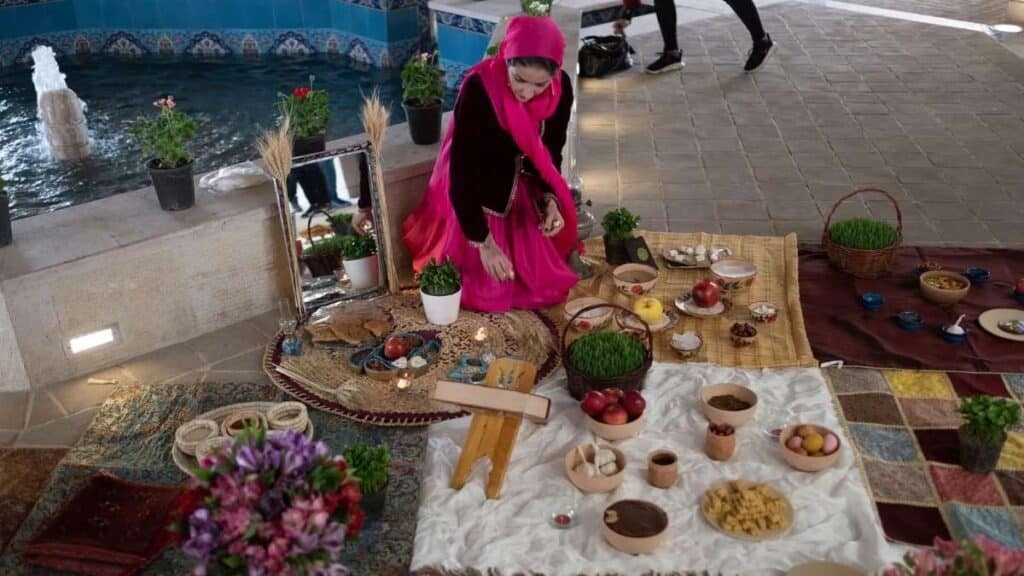
At the Agiary (Fire Temple) Parsis dress in traditional white attire and visit the Fire Temple early on Navroz to offer sandalwood and flowers to the sacred fire, recite Avestan prayers, and receive the priest’s blessing. The Kushti ritual — retying the sacred thread while reciting prayers — is performed with special reverence, symbolizing recommitment to the faith.
Patet Pashemani On Pateti eve, devout Zoroastrians recite the Patet Pashemani, a prayer of repentance seeking forgiveness for sins of thought, word, and deed — an act of spiritual housekeeping before the New Year begins.
Home Observances Families gather for prayers at home, light a lamp at the home altar, and elders offer blessings to younger members of the family. The home is decorated with flowers, and a festive meal is prepared and shared.
Celebrations Across India
While the Parsi population is small, the warmth of their New Year celebrations is unmistakable.
Mumbai is the epicenter of Parsi New Year in India. The Dadar Parsi Colony comes alive with elaborate chalk rangolis, flower decorations, community hall programs, and Baugs (Parsi housing societies) filled with festive gatherings. South Mumbai’s Parsi neighborhoods are especially vibrant.
Surat and Gujarat hold deep historical significance as the first home of Parsi migrants in India. The city’s fire temples witness traditional prayer services and community feasts.
Navsari in Gujarat, home to the high priest of the Shahenshahi sect, hosts spiritually significant and deeply traditional celebrations.
Pune has an active Parsi colony with community events, cultural programs, and open celebrations.
Participation Across Religions in India
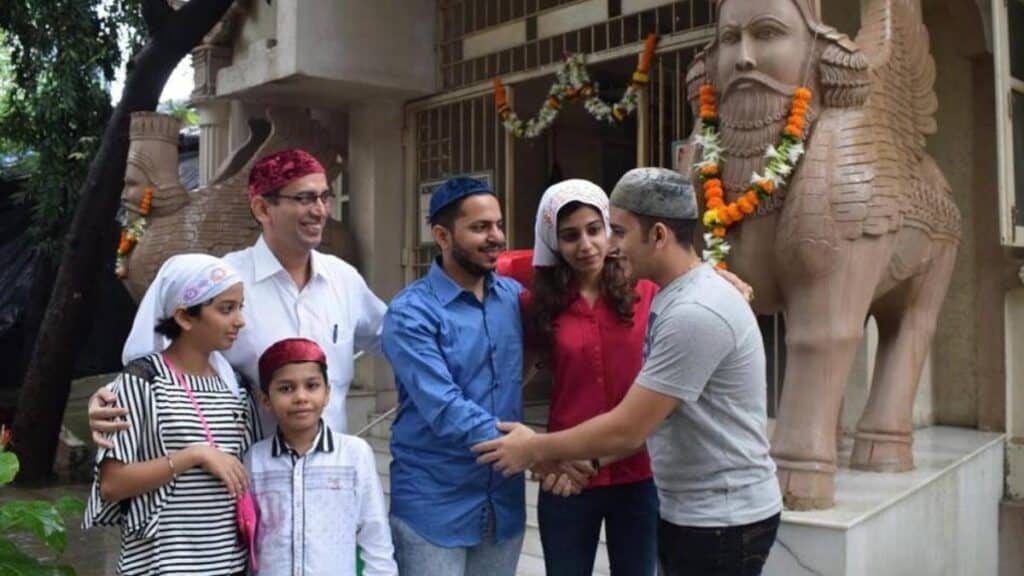
Navroz in India is a beautiful example of interfaith celebration. Non-Parsi neighbors, friends, and colleagues — Hindus, Muslims, Christians, and others — often visit Parsi friends, share festive meals, and exchange greetings of “Navroz Mubarak.” In cities like Mumbai, this cross-community participation has been a natural part of local culture for generations.
Baháʼí followers worldwide also celebrate Naw-Rúz as one of nine holy days in their calendar, and Ismaili Muslims observe Navroz as a sacred occasion — making this a festival that transcends a single community.
How Parsi New Year Is Celebrated Outside India
Parsis have established communities across the world, and Navroz is their shared thread of belonging.
North America: The Federation of Zoroastrian Associations of North America (FEZANA) coordinates gala dinners, prayer services, and cultural programs in New York, Houston, Toronto, and Vancouver.
United Kingdom: The Zoroastrian Trust Funds of Europe (ZTFE) and the Zoroastrian Centre in Harrow, London, host prayers and community events.
Australia & New Zealand: The Zoroastrian Club of New South Wales in Sydney and Melbourne’s Parsi community host active celebrations.
UAE: A significant Parsi business community in Dubai and Abu Dhabi celebrates with private family gatherings and community dinners.
In recent years, many organizations worldwide have added live-streamed prayers and virtual community gatherings, keeping the global diaspora connected across time zones.
Gifting Traditions
Navroz gifting is a warm expression of goodwill and new beginnings.
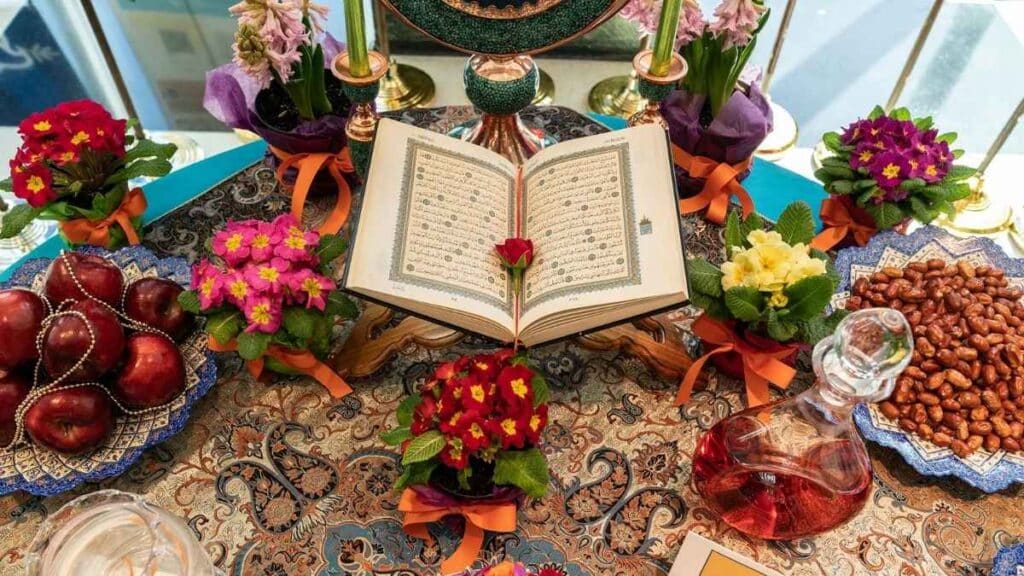
Traditional gifts include fresh flowers, dry fruits (almonds, pistachios, dates), homemade Parsi sweets like Ravo and Sev shared with neighbors, and sandalwood for fire temple offerings.
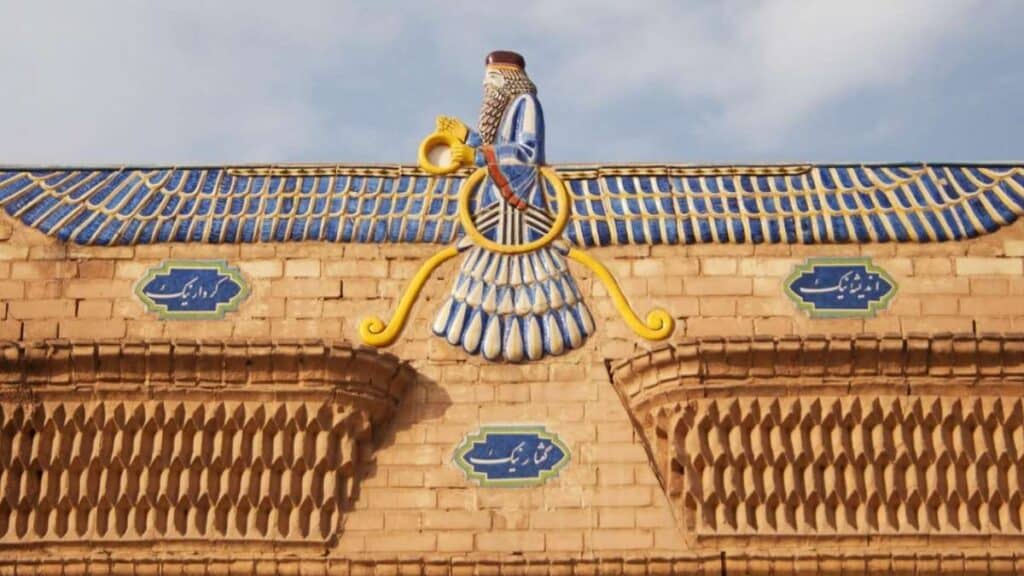
Modern and diaspora gifts include curated Parsi food hampers, books on Zoroastrian heritage, and handcrafted items featuring the Faravahar — the winged figure that is Zoroastrianism’s most recognized symbol.
Greeting: Say “Pateti Mubarak” on the eve and “Navroz Mubarak” or “Sal Mubarak” on New Year’s Day.
Parsi New Year Foods and Culinary Traditions
Parsi cuisine is one of India’s most distinctive culinary traditions, blending Persian heritage with Indian spices. Navroz is its most celebratory expression.
Ravo — A beloved semolina pudding made with milk, sugar, and ghee, flavored with cardamom and garnished with dry fruits. Nearly universal at Navroz celebrations.
Sali Boti — Tender mutton curry topped with crispy fried potato straws. The combination of rich gravy and crunch is quintessentially Parsi.
Patrani Machhi — Fish coated with green coconut-coriander chutney, wrapped in banana leaves, and steamed. A festive coastal favorite.
Jardaloo Ma Gosht — Mutton cooked with dried apricots, reflecting the Persian tradition of sweet-and-savory combinations.
Lagan nu Custard — A rich baked caramel custard that is a Parsi celebration staple.
Sev and Malido — Festive sweets made with vermicelli and wheat flour respectively, prepared as both offerings and treats.
The Navroz table is abundant and communal — it is common for Parsi families to invite non-Parsi friends to share in the meal, embodying their tradition of open-hearted hospitality.
Music, Art, and Cultural Expression
Navroz celebrations are accompanied by classical Gujarati and Iranian-influenced music, ghazals, and devotional songs. The Parsi Natak (theater) tradition — one of India’s earliest popular theater forms — historically made Navroz a time for performances and cultural evenings, a tradition continued by community halls and Baugs today.
Parsi homes and colony streets are adorned with elaborate chalk rangolis featuring geometric patterns and Zoroastrian symbols, especially the Faravahar. Contemporary Parsi artists and filmmakers increasingly explore Navroz themes in modern mediums, reflecting the festival’s growing resonance in global storytelling.n social media.
Modern Observance and Evolving Practices
Today’s Parsi New Year blends tradition with contemporary expression. Digital celebrations — virtual prayers, online community gatherings, and digital greetings — have become mainstream, especially for the diaspora. Many Parsi organizations now open Navroz events to non-Parsi friends and colleagues, sharing their rich heritage more widely.
Younger Parsis globally stay connected through social media campaigns, Zoroastrian podcasts, and diaspora community platforms, keeping Navroz traditions alive for the next generation.
How to wish someone: “Pateti Mubarak” on the eve, “Navroz Mubarak” or “Sal Mubarak” on New Year’s Day.
Cultural Reflection
Navroz is a testament to the extraordinary resilience of the Zoroastrian spirit. A community that once fled persecution has, over more than a millennium in India, gifted the country some of its greatest industrialists, scientists, and artists — from Jamshedji Tata to Zubin Mehta. Every Navroz, as Parsis light sandalwood in ancient fire temples and share Ravo with their neighbors, they carry forward a flame that has burned for over three thousand years — a living reminder that Good Thoughts, Good Words, and Good Deeds truly endure.