


Starring Tejasswi Prakash as Charu, Anud Singh Dhaka as Kartik, and Ravi Kishan as the intimidating gangster-politician Huntry Chauhan, Psycho Saiyaan follows a campus romance that spirals into manipulation, stalking, and crime. Across 8 episodes of 25-30 minutes each (approximately 4 hours total), the series attempts to explore the psychological transformation of love into obsession, using noir-style cinematography and strong performances to elevate familiar dark romance tropes.
The result is moody, performance-driven, and atmospheric but ultimately predictable—a series where the journey is more compelling than the destination. With early audience ratings averaging around 4/5 on Reddit previews and trending on MX Player during its release window, Psycho Saiyaan represents the growing wave of Hindi OTT dark romance
Table of Contents
The Story: Campus Love to Toxic Obsession
The premise follows a familiar dark romance arc: what begins as campus romance between Charu (Tejasswi Prakash) and Kartik (Anud Singh Dhaka) gradually transforms into something darker as Kartik’s affection edges into obsession. The official tagline captures the thematic intent: “Love edges into obsession where passion suffocates.”
The narrative structure is deliberate: Episodes 1-3 establish the romance foundation with poetic shayari, campus flirtation, and seemingly innocent courtship. The mid-episodes escalate as Kartik’s behavior shifts from romantic to obsessive—surveillance, control, manipulation. The entry of Huntry Chauhan (Ravi Kishan), described as a gangster-politician who “plays by his own rules,” transforms the love triangle into a crime-thriller conflict involving power politics and violence.
The research describes the character arcs: “Kartik’s poetic shayari transitions into obsessive surveillance behavior” and “Charu’s character arc shifts from carefree college student to psychologically trapped individual.”
The trailer tease summarizes the tonal ambition: “When love crosses the line, sanity blurs into madness.”
CHECK MORE ON:Kohrra Season 2 Review
Series Overview
| Detail | Information |
|---|---|
| Title | Psycho Saiyaan |
| Platform | Amazon MX Player (Free Streaming) |
| Release Date | February 25, 2026 |
| Episodes | 8 |
| Episode Duration | 25-30 minutes (~4 hours total) |
| Genre | Romantic Psychological Thriller, Dark Romance |
| Language | Hindi |
| Lead Cast | Tejasswi Prakash, Anud Singh Dhaka, Ravi Kishan |
| Supporting Cast | Multiple (limited development noted) |
| Production | Parin Multimedia |
| Setting | Ujjain, Katni, Georgia (international backdrop) |
| Director | Ajay Bhuyan |
| Age Rating | Mature (obsession, stalking, manipulation) |
| Our Verdict | 4/5 |
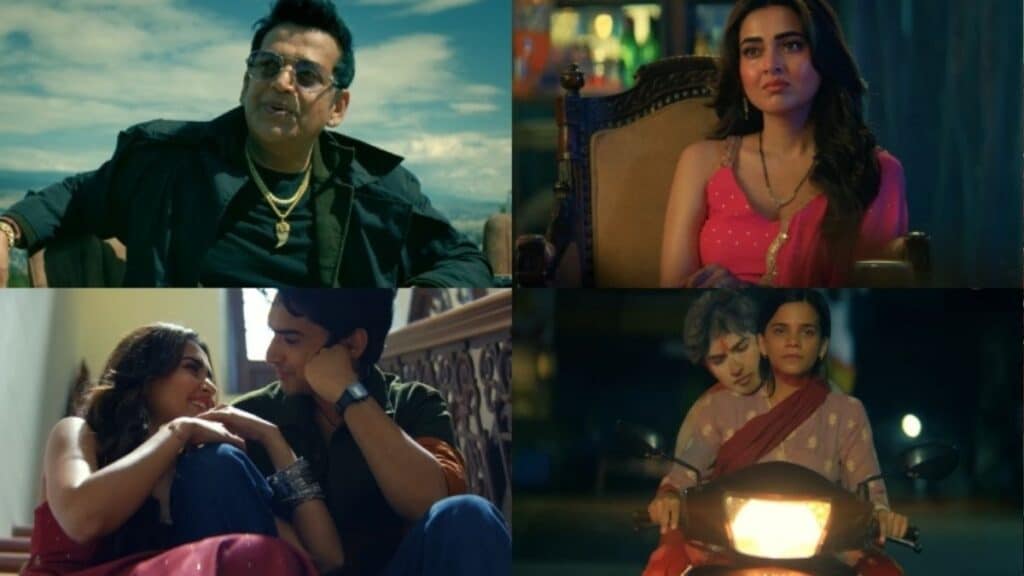
What Works: Performances and Atmospheric Mood
Despite narrative predictability, Psycho Saiyaan achieves several things effectively:
Tejasswi Prakash’s emotional vulnerability. The research emphasizes: “Tejasswi Prakash portrays emotional vulnerability convincingly.” Playing Charu’s gradual psychological entrapment apparently requires sustained emotional range, and Prakash delivers work that anchors the series even when the script becomes formulaic.
Ravi Kishan’s intimidating presence. The research notes: “Ravi Kishan adds gravitas as gangster-politician Huntry Chauhan.” Kishan is an experienced character actor who understands how to create menace through restraint. His performance as the power-hungry antagonist provides weight to the crime-thriller elements.
Anud Singh Dhaka’s obsessive arc. The research states he “anchors the obsessive psychological arc”—meaning his portrayal of Kartik’s transformation from romantic to dangerous apparently maintains credibility throughout the tonal shifts.
Noir-style cinematography. The research emphasizes: “Noir-style cinematography enhances psychological tension” and notes the “Cinematic tone differentiates it from lighter romance dramas.” The visual atmosphere creates mood that compensates for predictable plotting.
Timely obsession theme. The research notes: “Obsession theme reflects contemporary digital-age anxieties.” In an era of digital surveillance, stalking apps, and social media obsession, the themes resonate beyond just romantic thriller conventions.
Psychological manipulation without excessive gore. The research notes: “Psychological manipulation depicted without excessive gore”—meaning the series creates tension through emotional rather than physical violence, making it accessible to viewers who want darkness without graphic content.
Free platform accessibility. Streaming free on Amazon MX Player removes the paywall barrier. The research notes: “Free platform access broadens audience reach” and emphasizes “Free availability increases accessibility and reach.”
What Doesn’t Work: Predictability and Pacing Issues
The research is equally direct about substantial weaknesses:
Predictable obsession tropes. The research notes: “Predictable twists weaken suspense” and identifies “Predictable obsession tropes” as a core problem. For viewers familiar with dark romance or psychological thrillers, the plot beats apparently telegraph well in advance.
Uneven pacing in middle episodes. The research specifically identifies: “Pacing fluctuates in mid-episodes” and notes “Uneven pacing in middle episodes.” The structure—romance foundation in early episodes, crime escalation in later episodes—apparently creates a sluggish middle section where the transition feels stretched.
Cast and Performances
Tejasswi Prakash as Charu
Delivers what the research describes as “emotional vulnerability convincingly.” Playing a character who transitions from “carefree college student to psychologically trapped individual” requires sustained emotional range, which Prakash apparently provides even when the script becomes predictable.
Anud Singh Dhaka as Kartik
Anchors the transformation from romantic to obsessive. The research describes how “Kartik’s poetic shayari transitions into obsessive surveillance behavior”—a tonal shift that requires the actor to maintain character credibility while changing fundamentally.
Ravi Kishan as Huntry Chauhan
Adds gravitas and menace as the gangster-politician whose entry “transforms a love triangle into a crime-thriller conflict.” Kishan’s experience with character work apparently serves the antagonist role well.
Supporting Cast
Receives limited development according to the research, though they “add depth” where the script allows.
Who Should Watch Psycho Saiyaan?
This Series Is For You If:
- You enjoy dark romance and toxic relationship narratives
- You appreciate strong performances even in familiar plots
- You value atmospheric cinematography and noir mood
- You’re interested in psychological thriller elements
- You want free streaming content without subscription barriers
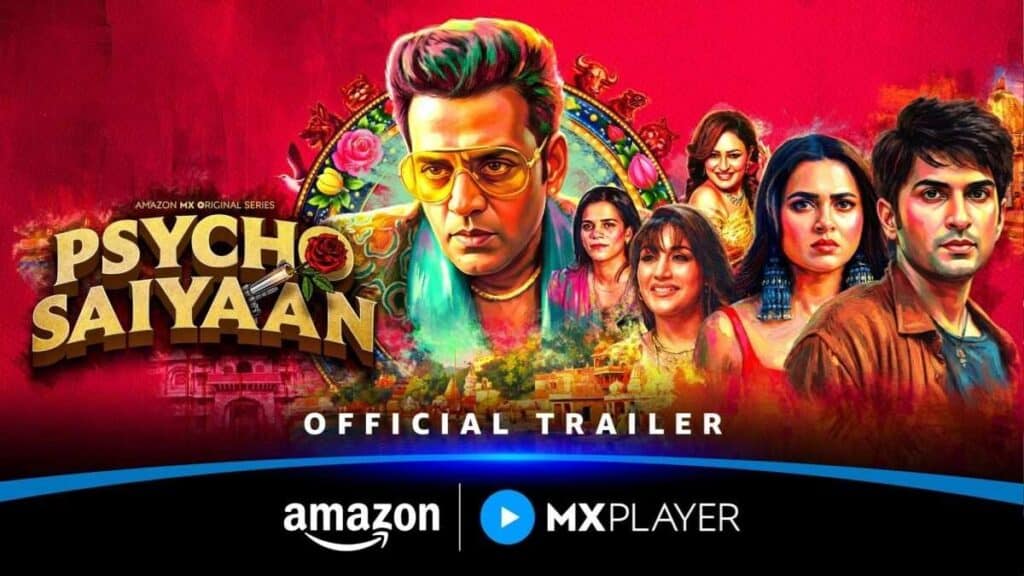
Moody Performances Meet Predictable Plotting
Psycho Saiyaan represents the growing Hindi OTT dark romance wave—atmospheric, performance-driven explorations of toxic love that prioritize mood over narrative surprise. Tejasswi Prakash delivers emotionally vulnerable work, Ravi Kishan adds intimidating gravitas, and the noir cinematography creates genuine psychological tension.
Overall Rating: 4/5
A moody, performance-driven dark romance thriller that succeeds on atmosphere and acting while struggling with predictable plotting and pacing. Worth watching for Tejasswi Prakash’s work and noir mood; temper expectations for narrative surprise.
Now streaming free on Amazon MX Player.
Psycho Saiyaan is an 8-episode Hindi dark romance on Amazon MX Player exploring campus love becoming toxic obsession. Tejasswi Prakash’s emotional vulnerability and Ravi Kishan’s menace anchor moody noir atmosphere, but predictable obsession tropes and uneven pacing limit impact. 4 hours total, free streaming, mature themes. 4/5—watch for performances and mood, not plot surprises.
Is Psycho Saiyaan really free to watch?
Yes, it streams free on Amazon MX Player. The research emphasizes: “Free platform access broadens audience reach” and notes this as a significant advantage.
How does the series handle obsession and stalking themes?
The research notes: “Psychological manipulation depicted without excessive gore”—suggesting the series explores obsession through emotional and psychological means rather than graphic violence
