
Ramadan is the ninth and holiest month of the Islamic calendar, observed by Muslims worldwide as a time of fasting, prayer, reflection, and community. Known as the month in which the Quran was revealed to Prophet Muhammad (PBUH), Ramadan represents spiritual purification, self-discipline, and devotion to Allah. It is one of the Five Pillars of Islam and a period dedicated to deepening faith, practicing compassion, and strengthening bonds within the community.
The spiritual significance of Ramadan lies in Sawm (fasting from dawn to sunset), which teaches self-control, empathy for the less fortunate, and mindfulness of one’s relationship with God. Beyond abstaining from food and drink, Muslims refrain from negative behavior and focus on prayer, charity, and recitation of the Quran.
Ramadan is observed by Muslims across the globe, transcending cultural and geographical boundaries. While primarily a religious observance, Ramadan has also become a cultural celebration marked by community iftars, festive foods, and shared traditions. Today, Ramadan is celebrated in countries including India, Pakistan, Bangladesh, Indonesia, the Middle East, USA, UK, Canada, Australia, and across Europe and Africa.
When Is Ramadan 2026?

Ramadan is observed during the ninth month of the Islamic lunar calendar, with dates determined by the sighting of the crescent moon.
Ramadan In India 2026 Dates
- Day 1: Ramadan begins on the evening of Wednesday, February 18, 2026 in India (first fast on Thursday, February 19, 2026)
- Laylat al-Qadr (Night of Power): Expected on the evening of Monday, March 16, 2026 (27th night of Ramadan)
- Last Day: Ramadan concludes on the evening of Thursday, March 19, 2026
- Eid al-Fitr: Celebrated on Friday, March 20, 2026
The exact dates depend on local moon sightings and may vary by one day across different regions.
Table of Contents
Ramadan In USA, Canada, Australia, New Zealand, UK, UAE, Singapore 2026 Dates
Ramadan begins on the evening of February 18, 2026, with the first fast observed on February 19, 2026. Fasting hours vary by location:
- East Coast (EST): ~12-13 hours
- West Coast (PST): ~12-13 hours
- Midwest: ~12-14 hours
Eid al-Fitr is expected on March 20, 2026.
Ramadan starts on the evening of February 18, 2026. Fasting hours:
- Toronto, Montreal: ~12-13 hours
- Vancouver: ~12 hours
- Northern regions: Longer fasting hours (up to 16+ hours)
Eid al-Fitr falls on March 20, 2026.
Ramadan begins on February 19, 2026 (evening start on February 18).
- Sydney, Melbourne: ~13-14 hours of fasting
- Auckland, New Zealand: ~13-14 hours
Eid al-Fitr on March 20, 2026.
Ramadan starts on the evening of February 18, 2026, with first fast on February 19.
- London: ~12 hours of fasting
- Manchester, Birmingham: Similar duration
Eid al-Fitr expected on March 20, 2026.
Ramadan begins on February 18, 2026 (evening). Fasting duration: ~13 hours daily.
Working hours are reduced to 6 hours per day during Ramadan.
Eid al-Fitr on March 20, 2026.
Ramadan starts on February 19, 2026. Fasting hours: ~13 hours in tropical climate.
Eid al-Fitr falls on March 20, 2026.
Why Ramadan Dates Change Every Year
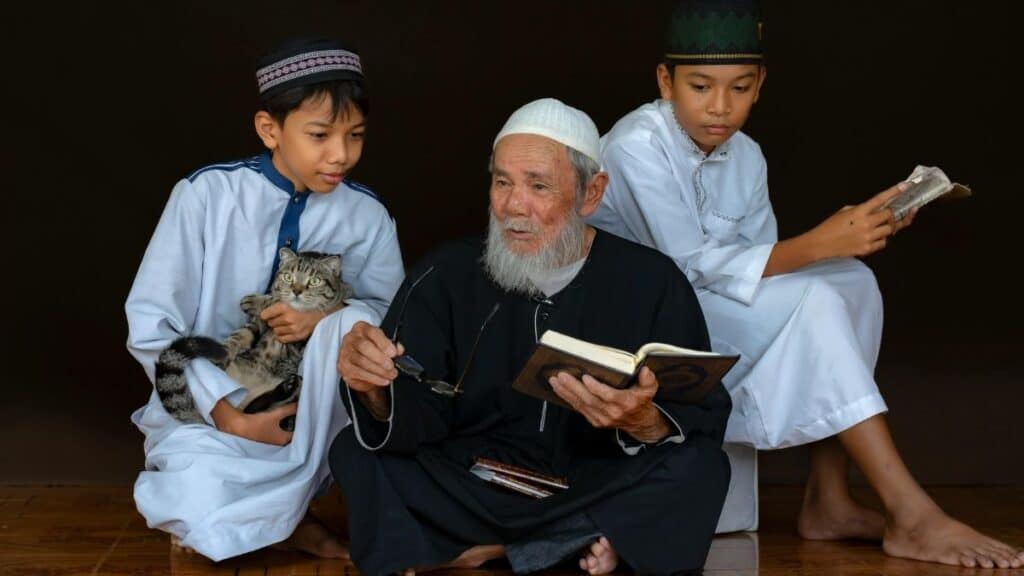
Ramadan is based on the Islamic lunar calendar (Hijri calendar), not the Gregorian solar calendar.
The Islamic calendar consists of 12 lunar months totaling 354-355 days, which is 10-11 days shorter than the solar year.
Since lunar months are shorter:
- Ramadan shifts backward by approximately 10-11 days each year
- The month migrates through all seasons over a 33-year cycle
- Dates depend on the sighting of the new crescent moon (hilal)
- Local moon sightings may cause dates to vary by one day across countries
This lunar cycle means Ramadan can fall in any season—winter, spring, summer, or autumn—allowing Muslims worldwide to experience varying fasting durations throughout their lifetime.
Ramadan: Other Names & Regional Identities

These are widely used names for Ramadan:
- Ramadan — Standard name in Arabic and English
- Ramzan / Ramazan — Popular in South Asia (India, Pakistan, Bangladesh) and Turkey
- Romzan / Romjan — Used in Bengal region (Bangladesh, West Bengal)
North & South India
- Ramzaan — Hindi, Urdu
- Ramjaan — Gujarati, Kannada, Telugu
- Ramalān — Tamil
- Ramadān — Malayalam
Middle East & Central Asia
- Ramazan — Persian, Turkish, Azerbaijani (Iran, Afghanistan, Turkey)
- Ramadan — Arabic-speaking countries (Saudi Arabia, UAE, Egypt, Jordan)
Southeast Asia
- Ramadan / Puasa — Indonesia, Malaysia (Puasa means fasting)
- Ramadan — Singapore, Brunei
Diaspora / International Naming
- Ramadan — Used universally across Western countries (USA, UK, Canada, Australia, Europe)
- The Holy Month — Common reference in English-speaking contexts
- Month of Fasting — General description used globally
The Origins, History, and Legends of Ramadan
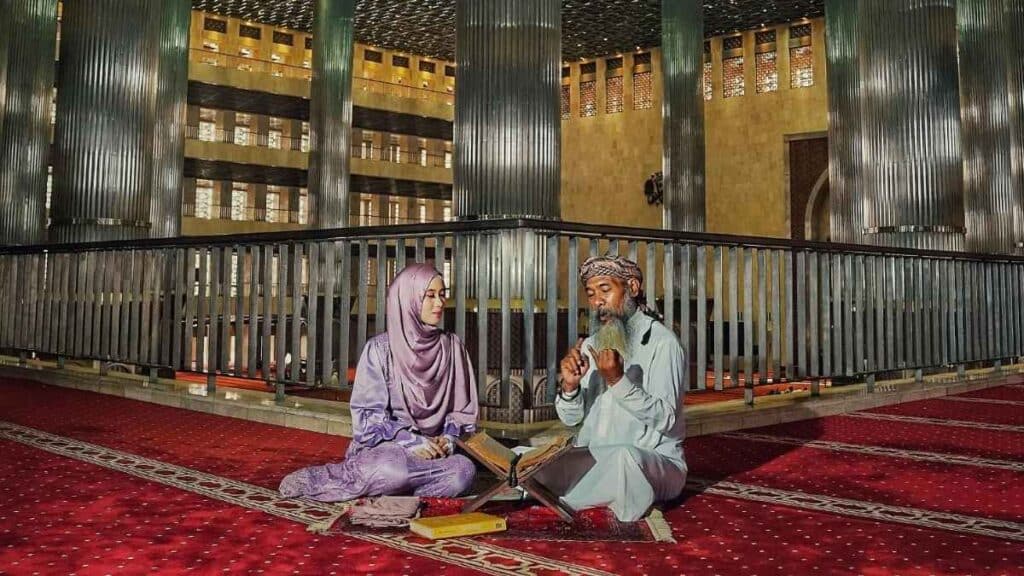
Ramadan holds profound historical and spiritual significance in Islam. The month commemorates the revelation of the Quran to Prophet Muhammad (PBUH) through the Angel Jibreel (Gabriel) on Laylat al-Qadr (the Night of Power), which occurred during the last ten days of Ramadan in 610 CE.
Fasting during Ramadan was prescribed to Muslims in 624 CE (2nd year of Hijra) after the Prophet migrated from Mecca to Medina. The command came through a verse in the Quran:
Surah Al-Baqara (2:183): “O you who believe! Fasting is prescribed for you as it was prescribed for those before you, that you may attain Taqwa (God-consciousness).”
The Quran emphasizes that fasting was not new to Islam but had been practiced by earlier prophets and communities, including Jews and Christians, as a means of spiritual discipline and devotion.
Historically, before the commandment of Ramadan, early Muslims fasted on the 10th of Muharram (Ashura), following the Jewish tradition. After Ramadan was prescribed, Ashura fasting became recommended but not obligatory.
The most sacred night of Ramadan is Laylat al-Qadr, believed to fall on one of the last ten odd nights (commonly the 27th night). The Quran describes it as “better than a thousand months,” and Muslims spend this night in intense prayer, seeking forgiveness and blessings.
Over 1,400 years, Ramadan has evolved from a religious obligation into a global cultural phenomenon, uniting Muslims of all ethnicities, languages, and backgrounds in simultaneous worship, fasting, and charity..
Ramadan: Cultural and Spiritual Significance
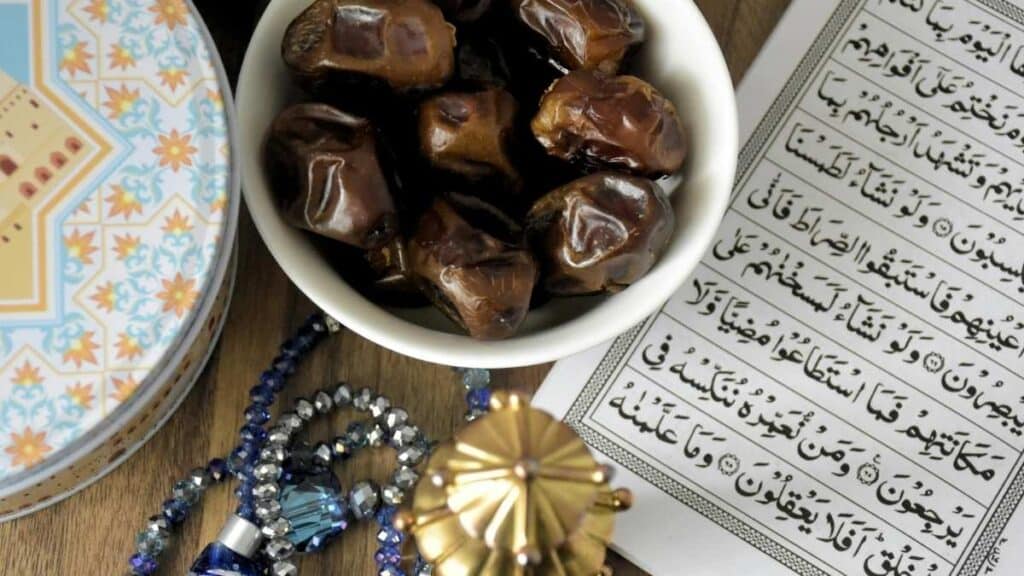
Ramadan is a month that symbolizes spiritual renewal, self-discipline, and compassion. Spiritually, fasting (Sawm) is an act of worship that purifies the soul, strengthens Taqwa (God-consciousness), and brings believers closer to Allah. By abstaining from food, drink, and worldly desires from dawn to sunset, Muslims learn patience, gratitude, and empathy for those who face hunger daily.
Culturally, Ramadan fosters unity and community. Families and friends gather for Suhur (pre-dawn meal) and Iftar (fast-breaking meal), creating bonds of togetherness. The spirit of charity (Zakat and Sadaqah) flourishes during this month, as Muslims are encouraged to give generously to the poor and needy.
Ramadan also promotes forgiveness and reconciliation. It is a time to mend relationships, seek pardon, and let go of grudges. The nightly Tarawih prayers and recitation of the Quran deepen spiritual connection and reflection.
Beyond religious observance, Ramadan represents values that resonate universally—self-control, compassion, generosity, and mindfulness. The month teaches that true devotion goes beyond ritual; it requires transforming one’s character and serving humanity. This timeless message makes Ramadan relevant across generations and geographies, reinforcing the importance of faith, community, and moral integrity.unique cultural landscape.
Ramadan Prayers and Religious Observances
Ramadan is marked by intensified worship and devotion. Religious observances include:
Daily Fasting (Sawm)
Muslims fast from Fajr (dawn) to Maghrib (sunset), abstaining from food, drink, smoking, and intimate relations. Fasting is obligatory for all healthy adult Muslims, with exemptions for children, the elderly, pregnant/nursing women, travelers, and the ill.
Five Daily Prayers (Salah)
While Muslims pray five times daily year-round, Ramadan brings heightened focus on:
- Fajr (pre-dawn)
- Dhuhr (midday)
- Asr (afternoon)
- Maghrib (sunset) — when the fast is broken
- Isha (night)
Tarawih Prayers
Special nightly prayers performed after Isha, consisting of 8-20 rakats. These are prayed in congregation at mosques, with the entire Quran recited over 30 nights.
Quran Recitation
Muslims aim to complete reading the entire Quran during Ramadan. Many recite one Juz (section) daily, totaling 30 Juz over the month.
Laylat al-Qadr Vigil
During the last ten nights, especially the 27th, Muslims engage in intense worship, seeking forgiveness and blessings. This night is considered holier than 1,000 months.
Itikaf (Spiritual Retreat)
Devout Muslims spend the last ten days in seclusion at the mosque, dedicating themselves entirely to worship.
Charity (Zakat and Sadaqah)
Giving to the poor is emphasized. Zakat al-Fitr (obligatory charity) is given before Eid prayers to purify the fast and help the needy celebrate Eid.
Whether observed at home or in mosques, Ramadan rituals emphasize devotion, gratitude, and spiritual transformation.ural celebration and a deeply meaningful spiritual experience, connecting devotees to ancient traditions while celebrating timeless values.after the Madhyahna puja. deeply transformative..
How Ramadan Is Celebrated Across India
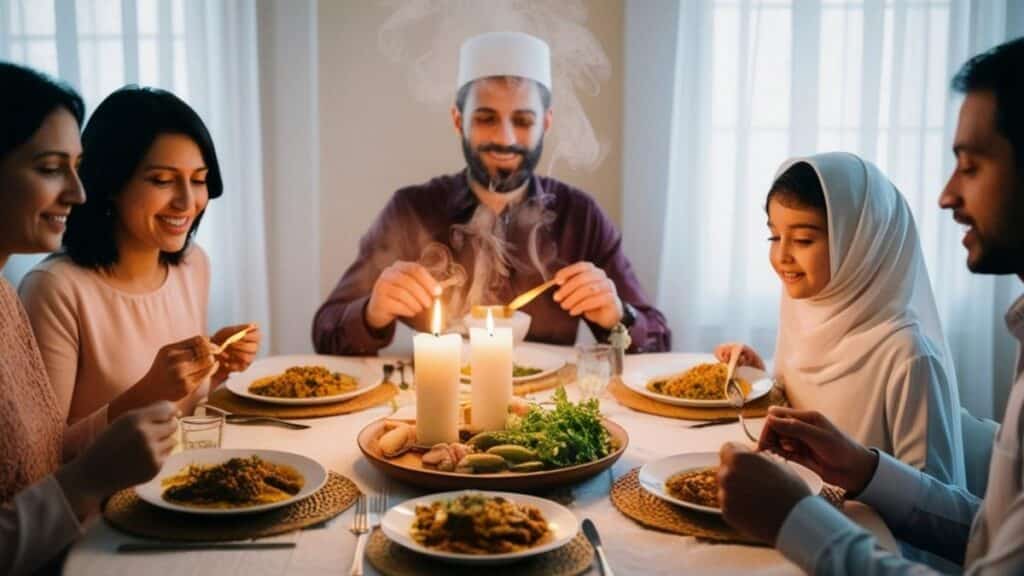
While Ramadan’s essence remains consistent, its expressions vary across India’s diverse regions.
North India (Delhi, Uttar Pradesh, Bihar): Ramadan is vibrant and communal. Old Delhi’s Jama Masjid hosts massive iftars, while Chandni Chowk and Mohammed Ali Road (Mumbai) transform into bustling iftar markets. Street vendors sell kebabs, haleem, and traditional sweets. Communities gather for Tarawih prayers in large congregations.
Hyderabad (Telangana, Andhra Pradesh): Famous for Haleem—a slow-cooked meat and wheat stew that becomes a citywide obsession. The Charminar area buzzes with iftar stalls. Traditional dishes like Qubani ka Meetha are served.
Lucknow (Uttar Pradesh): Known for royal Awadhi cuisine. Iconic eateries serve Tunday Kababi, galouti kebabs, and sheermal. Ramadan nights feature Urdu poetry and cultural gatherings.
West Bengal (Kolkata): Park Circus becomes the epicenter of iftar celebrations. Bengali-Muslim fusion dishes blend local flavors with traditional Ramadan foods. Sheer Khurma and Firni are popular.
Kerala: Coastal communities celebrate with Malabar Biryani, Pathiri (rice bread), and seafood specialties. Mosques organize community iftars emphasizing simplicity and charity.
Kashmir: Ramadan observance includes Kashmiri Wazwan during special occasions. The cold climate adds unique character to fasting experiences.
Despite regional variations, food, prayer, and shared community remain central everywhere.
Participation Across Religions in India

Ramadan in India reflects the country’s pluralistic spirit. While primarily observed by Muslims, people of other faiths often participate in Ramadan festivities, demonstrating interfaith harmony.
Inclusive Traditions:
- Hindu, Sikh, and Christian neighbors are commonly invited to iftar gatherings
- Non-Muslim friends respectfully avoid eating or drinking in front of fasting Muslims
- Politicians and public figures attend community iftars
- Schools accommodate Muslim students’ fasting needs
Shared Cultural Practices:
- Corporate offices organize inclusive iftar celebrations
- Media coverage promotes understanding and respect
- “Ramadan Mubarak” greetings exchanged across communities
- Charitable initiatives involve people of all faiths
By encouraging mutual respect, friendship, and shared meals, Ramadan serves as a bridge between communities, reinforcing India’s tradition of religious coexistence and cultural diversity.
How Ramadan Is Celebrated Outside India
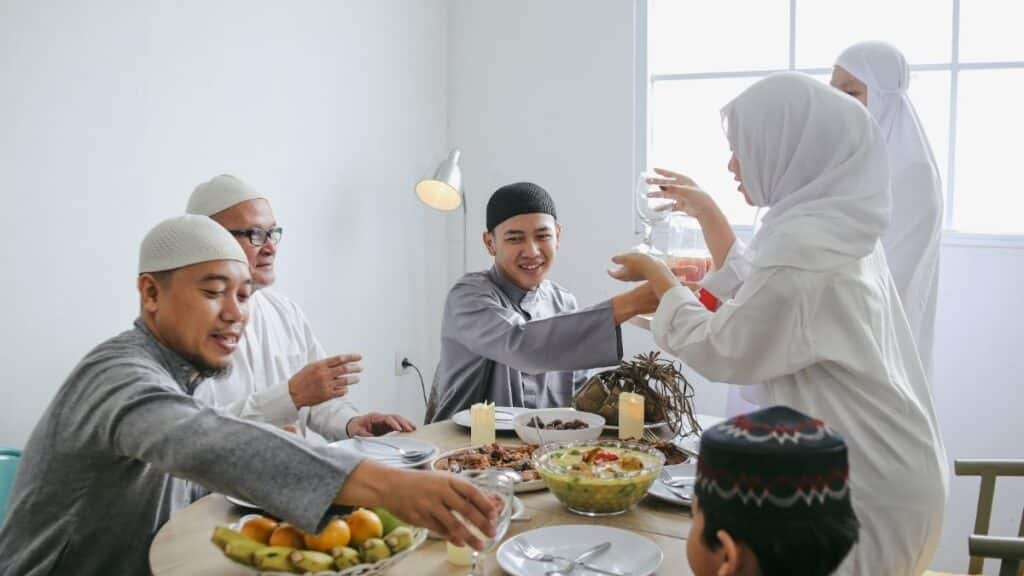
Indian and global Muslim diaspora communities celebrate Ramadan through:
- Community events and mosque gatherings Mosques host daily iftars and Tarawih prayers, bringing communities together.
- Public Ramadan celebrations Cities organize Ramadan tents, bazaars, and cultural programs (e.g., London’s East End, Dubai’s Ramadan tents).
- University and school programs Muslim Student Associations (MSAs) host campus iftars and educational events.
- Workplace accommodations Employers provide flexible schedules and prayer spaces for fasting employees.
- Virtual celebrations Online Tarawih prayers, Quran study circles, and virtual iftar gatherings connect diaspora families globally.
These celebrations help maintain cultural and religious identity while introducing non-Muslims to Islamic traditions, fostering multicultural understanding.e’s norms.
Ramadan Gifting Traditions
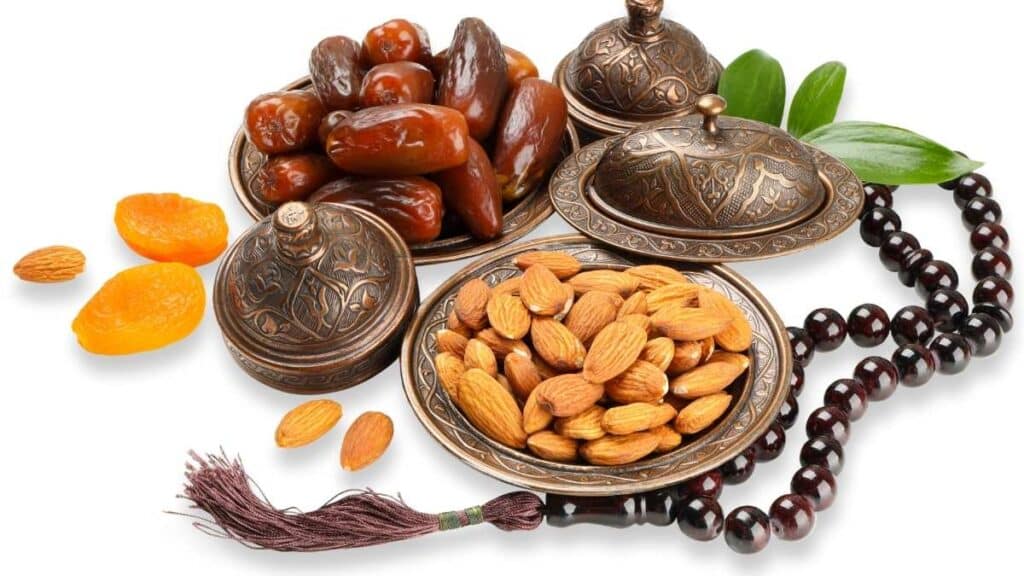
Ramadan gifting symbolizes love, generosity, and community. Common gifts include:
Traditional Gifts:
- Dates and dried fruits
- Quran copies and Islamic books
- Prayer mats and tasbihs (prayer beads)
- Ramadan gift baskets
Modern Gifts:
- Charitable donations in someone’s name
- Digital gift cards
- Ramadan planners and journals
- Subscription boxes with daily surprises
Eidi (Eid Gifts): Children receive money or gifts on Eid al-Fitr, symbolizing joy and blessings.
Gifting during Ramadan reflects the spirit of sharing and strengthens bonds, making it a meaningful tradition that spreads happiness and positivity. values of togetherness, gratitude, and celebration of abundance.
Traditional Ramadan Foods and Culinary Delights
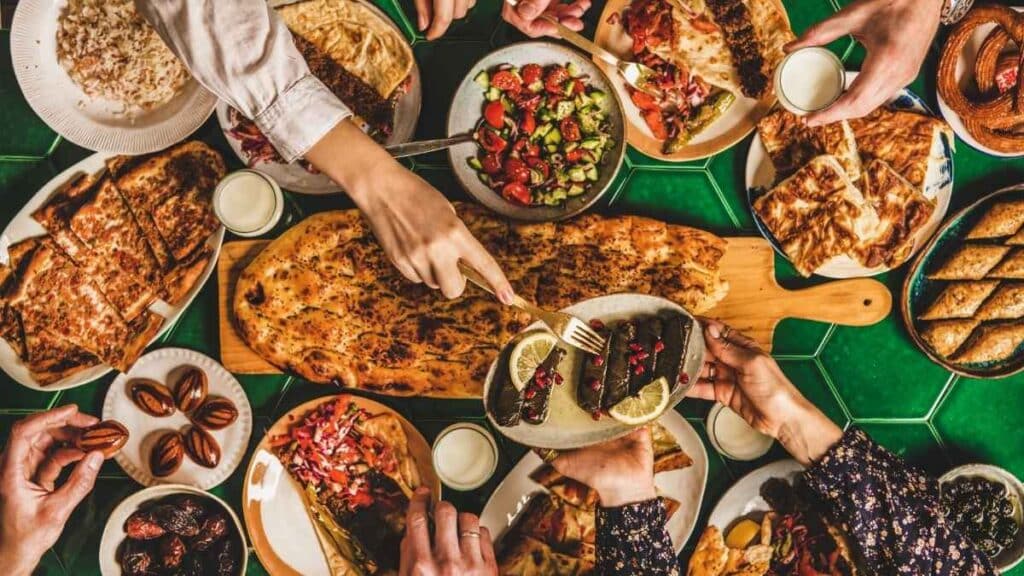
Food plays an essential role in Ramadan, symbolizing hospitality, togetherness, and celebration.
Breaking the Fast (Iftar):
- Dates and water — Following Prophet Muhammad’s (PBUH) tradition
- Fruit chaat — Refreshing mixed fruit salad
- Pakoras, samosas — Fried snacks popular across South Asia
Indian Specialties:
- Haleem — Slow-cooked wheat and meat stew (Hyderabad)
- Sheer Khurma — Vermicelli pudding with dates and nuts
- Biryani — Hyderabadi, Lucknowi, Kolkata styles
- Kebabs — Seekh, Shami, Galouti varieties
- Phirni — Creamy rice pudding
Middle Eastern Dishes:
- Kunafa/Knafeh — Cheese pastry with syrup
- Baklava — Layered phyllo with nuts
- Fattoush — Fresh salad with crispy bread
Beverages:
- Rooh Afza — Rose-flavored drink
- Jallab — Date and grape molasses drink
- Fresh juices and smoothies
These dishes are shared generously with family, neighbors, and guests, embodying Ramadan’s spirit of community and abundance.


Ramadan: Music, Art, and Cultural Expression
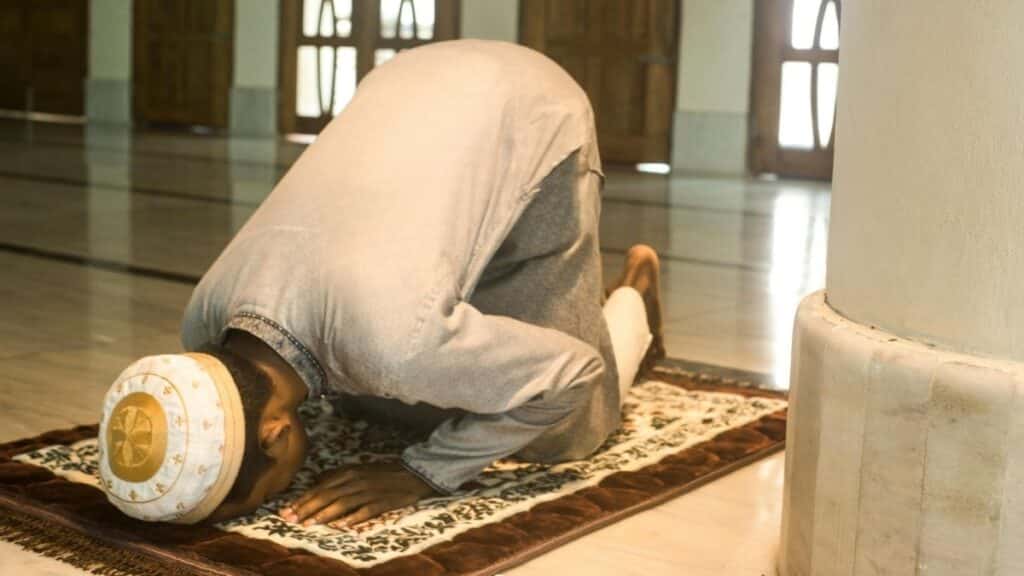
Music, art, and cultural traditions enhance Ramadan’s spiritual atmosphere.
Devotional Music:
- Nasheeds — Islamic devotional songs without instruments
- Qawwali — Sufi devotional music popular in South Asia
- Traditional Ramadan songs in various languages
Cultural Arts:
- Arabic calligraphy — Quranic verses in beautiful script
- Fanous lanterns — Colorful lamps decorating homes and streets
- Ramadan decorations — Crescents, stars, and banners
Popular Culture:
- Ramadan TV dramas — Special series (musalsal) in Arab world
- Social media trends — #Ramadan2026, daily reflections
- Cooking shows — Celebrity chefs share iftar recipes
Together, music, art, and celebration create a vibrant cultural tapestry that makes Ramadan a time of both spiritual devotion and joyful expression.e—intricate circular flower carpets created daily, growing in size and complexity from Atham to Thiruvonam.
Ramadan’s Modern Relevance and Cultural Continuity
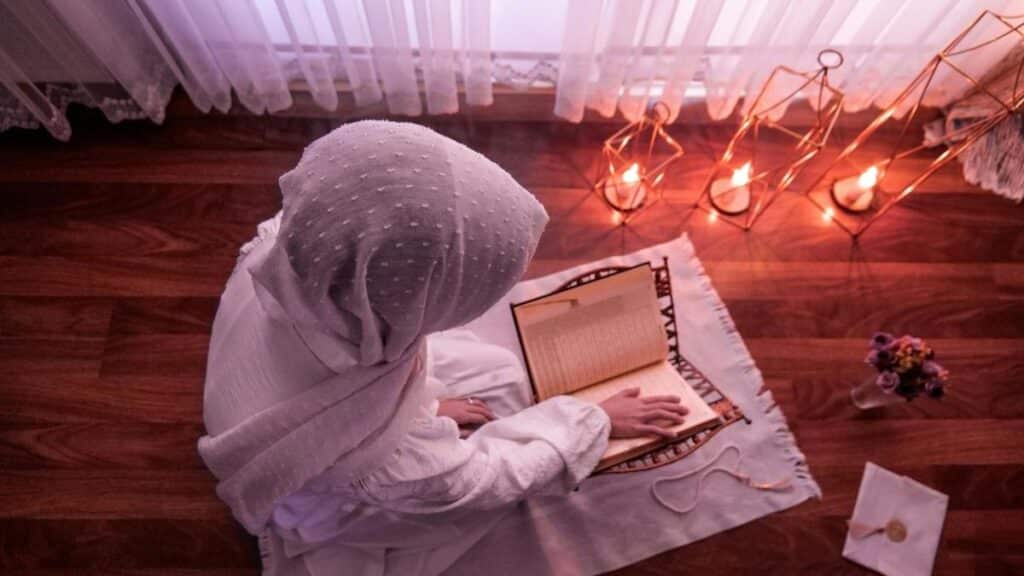
In today’s fast-paced world, Ramadan continues to hold profound relevance as a month that promotes discipline, compassion, and spiritual connection. While lifestyles have evolved, Ramadan’s core spirit remains unchanged—bringing communities together, encouraging charity, and celebrating faith.
Ramadan plays a vital role in preserving cultural continuity. Across generations and geographies, the festival connects Muslims to their heritage while allowing space for contemporary interpretations. For diaspora communities, Ramadan serves as a powerful link to identity, helping pass traditions, values, and stories to younger generations.
Beyond fasting and prayers, Ramadan carries a timeless message of self-discipline, empathy, and unity. In an increasingly divided world, it reminds us of the importance of spiritual growth, social responsibility, and human connection. Ramadan’s enduring relevance lies in its ability to adapt while staying true to its essence—celebrating faith, community, and the triumph of good over worldly desires.
Ramadan Mubarak!