


Veg Biryani offers the satisfaction and celebratory feel of traditional biryani while remaining completely vegetarian, making it ideal for families breaking fast together gatherings where diverse dietary preferences need accommodation
Veg Biryani is made by layering 80%-cooked Basmati rice over spiced vegetable gravy (carrots, beans, peas, potato, cauliflower cooked with curd and biryani masala), then sealing the pot for dum cooking (10-15 minutes on low heat). The result: fragrant, flavorful, non-mushy biryani perfect for Iftar. Serves 4-6 in about 1 hour 20 minutes total.
Table of Contents
Why Veg Biryani Is Perfect for Ramadan Iftar
Biryani holds a special place in Ramadan culinary traditions across the Muslim world, from the Indian subcontinent to the Middle East and beyond. The dish represents celebration, abundance, and the joy of breaking fast with family and community after a day of spiritual reflection and physical restraint.
Veg Biryani specifically offers several advantages for Ramadan Iftar meals. After fasting from dawn to dusk, the body needs balanced nutrition that includes complex carbohydrates, proteins, healthy fats, and vitamins. Veg Biryani delivers exactly that combination through Basmati rice providing sustained energy, vegetables offering fiber and essential nutrients, curd contributing protein and probiotics for digestive health, and ghee and nuts providing healthy fats that help the body absorb fat-soluble vitamins.
COMPLETE RECIPE OVERVIEW
| Recipe Name | Veg Biryani |
| Category | Main Course, Rice Dish |
| Cuisine | Indian, Mughlai, Indo-Muslim |
| Prep Time | 30 minutes (including rice soaking) |
| Cook Time | 45-50 minutes |
| Dum Cooking Time | 10-15 minutes |
| Total Time | 1 hour 20 minutes |
| Servings | 4-6 servings |
| Difficulty | Intermediate |
| Dietary | Vegetarian, Halal |
| Key Ingredients | Basmati rice, mixed vegetables (carrots, beans, peas, potato, cauliflower), curd/yogurt, biryani masala, saffron, fried onions |
| Cooking Method | Dum (sealed pot steaming technique) |
| Special Equipment | Heavy-bottomed pot with tight-fitting lid, tawa/griddle (optional but recommended) |
| Best For | Ramadan Iftar, Eid celebrations, special occasions, weekend family meals |
| Pairs Well With | Boondi raita, onion raita, pickle, papad |
Ingredients for Perfect Veg Biryani
The beauty of biryani lies in how simple ingredients transform through technique and layering into something extraordinary. Quality ingredients make a significant difference in the final result.
For the Basmati Rice
Basmati rice:
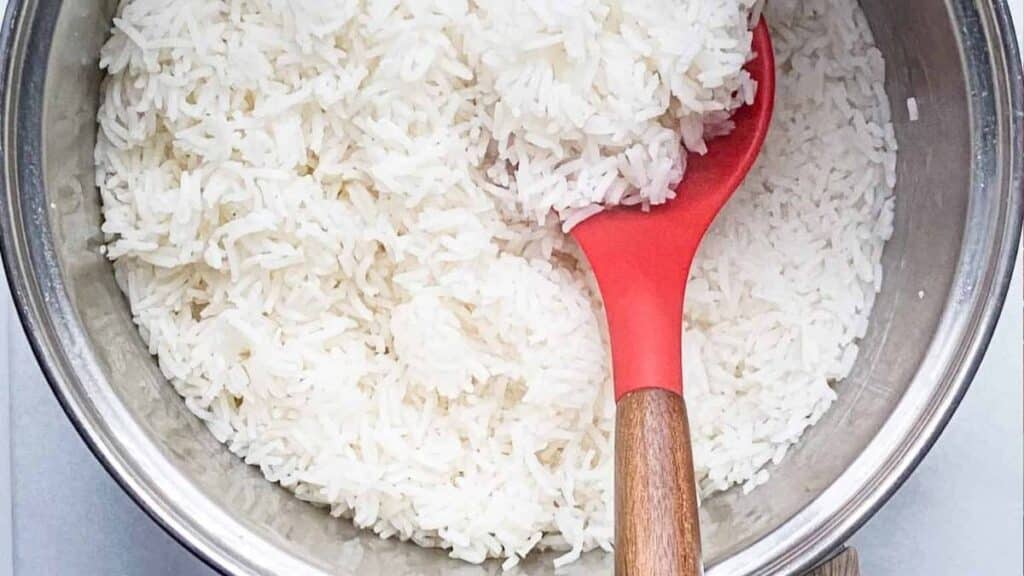
1 cup (200g) — Use long-grain aged Basmati for the best aroma and texture. Aged rice has lower moisture content, which prevents mushiness and allows grains to elongate beautifully during cooking.
Whole spices for rice:
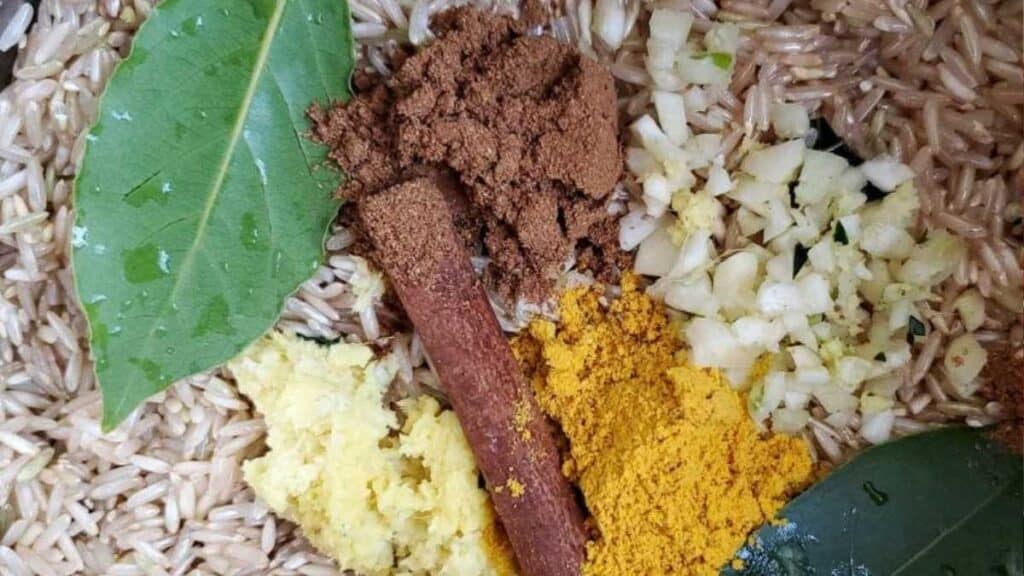
1 bay leaf, 3-4 cloves, 2-3 green cardamom pods, 1-inch cinnamon stick — These infuse the rice with subtle aromatic flavor during boiling.
Salt:

1 teaspoon for rice water — Properly salted rice water ensures the rice itself is flavorful rather than bland.
Water:

4-5 cups for boiling rice — Plenty of water allows rice to cook evenly.
For the Vegetable Gravy
Mixed vegetables:
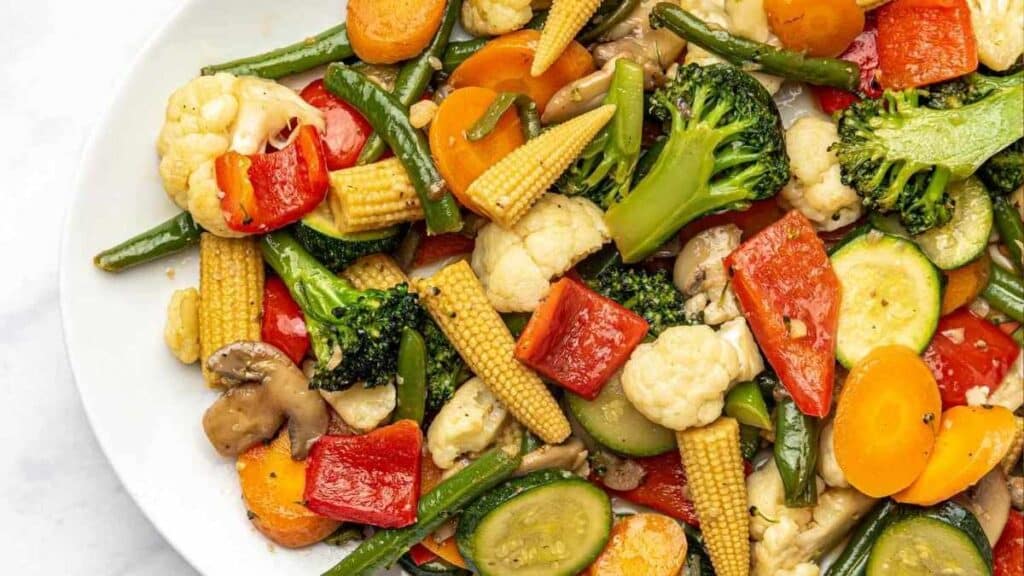
Carrots (½ cup diced), French beans (½ cup chopped), green peas (½ cup), potato (1 medium, cubed), cauliflower florets (½ cup) — This combination provides color, texture variety, and balanced nutrition. You can adjust based on what vegetables you have available.
Onions:
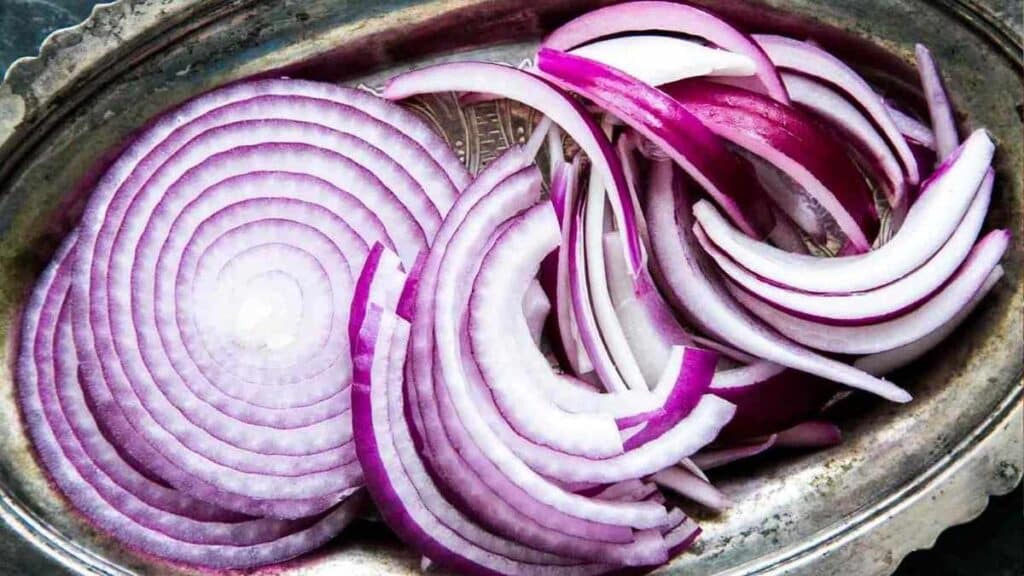
2 medium, thinly sliced — Half will be fried for garnish (essential for authentic flavor), half will be sautéed into the gravy.
Tomatoes:
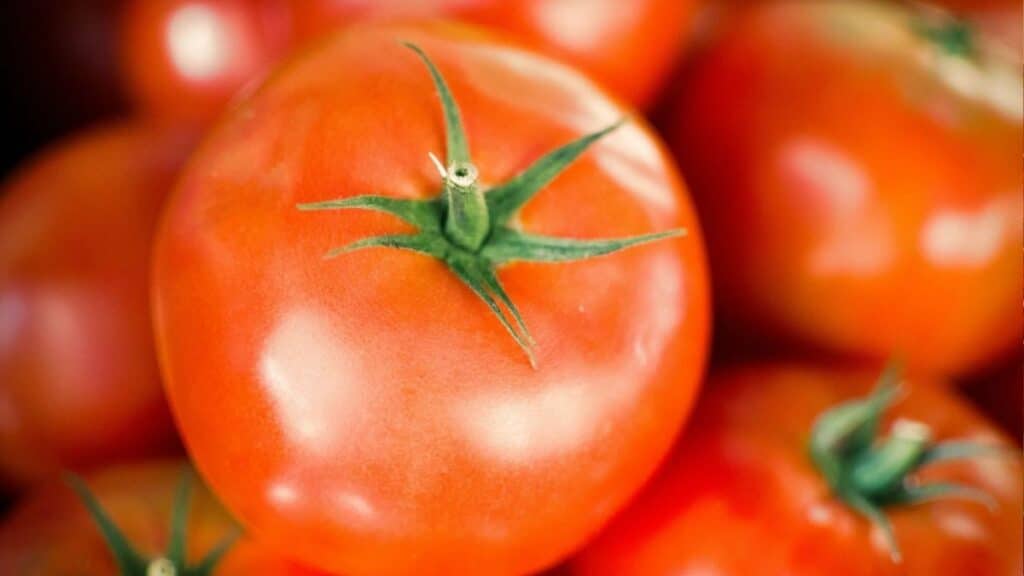
2 medium, chopped — Provides tanginess and helps create the gravy base.
Ginger-garlic paste:

1 tablespoon — The aromatic foundation of the masala. Fresh homemade paste is ideal, but store-bought works in a pinch.
Curd/yogurt:

½ cup — Adds tanginess, helps tenderize vegetables, and creates a creamy gravy. Use full-fat curd for richest flavor.
Red chilli powder:

1 teaspoon (adjust to taste) — For heat and color.
Turmeric powder:

½ teaspoon — For color and mild earthiness.
Fresh mint leaves:
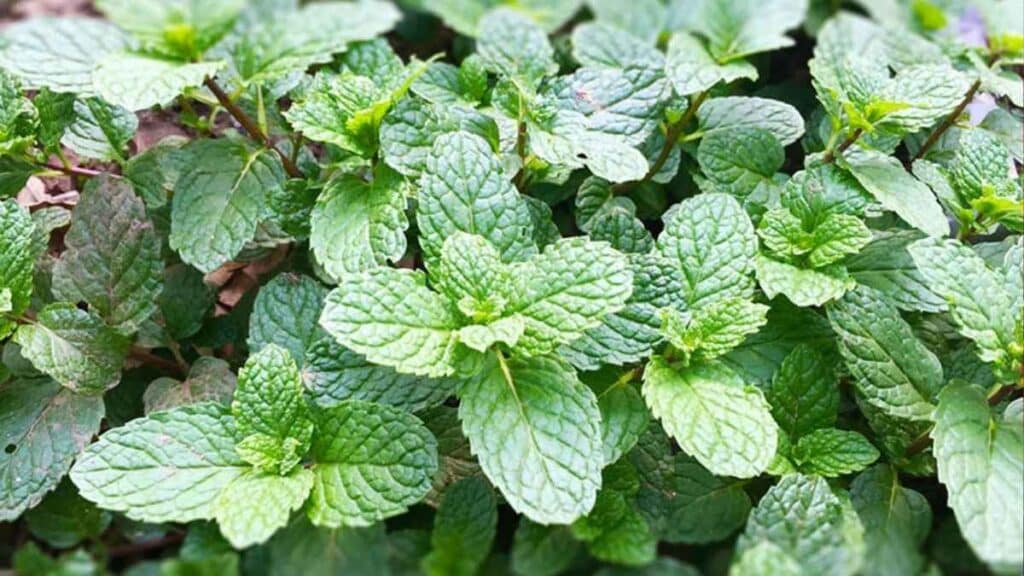
¼ cup chopped — Provides cooling freshness that balances the rich spices.
Oil or ghee:

3 tablespoons — For cooking the gravy. Ghee provides more authentic flavor.
For Layering and Dum
Saffron:
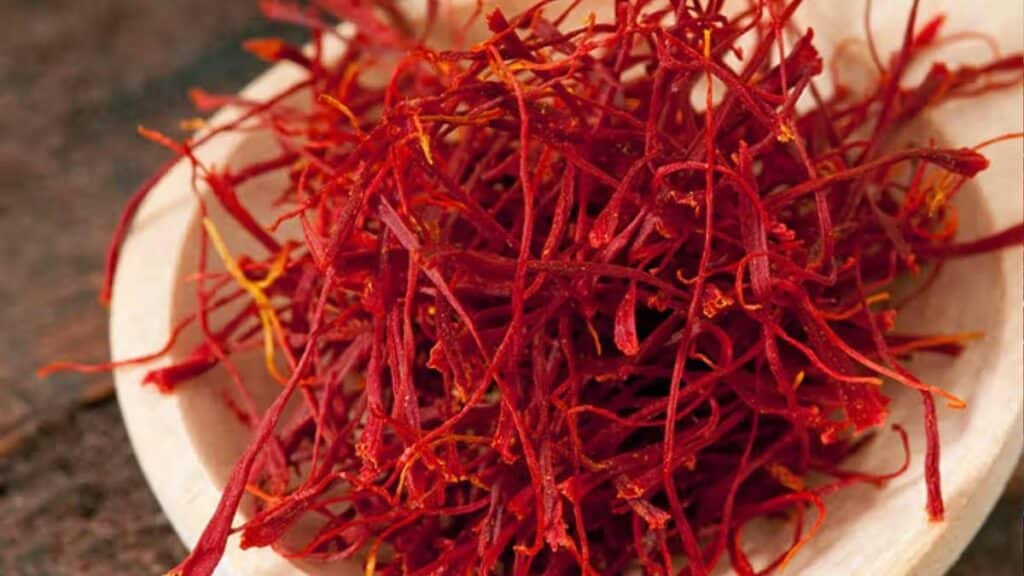
A generous pinch soaked in 2-3 tablespoons warm milk — Creates beautiful golden streaks through the rice and adds subtle floral aroma.
Ghee:

2 tablespoons — Drizzled over layers for richness.
Fried onions:
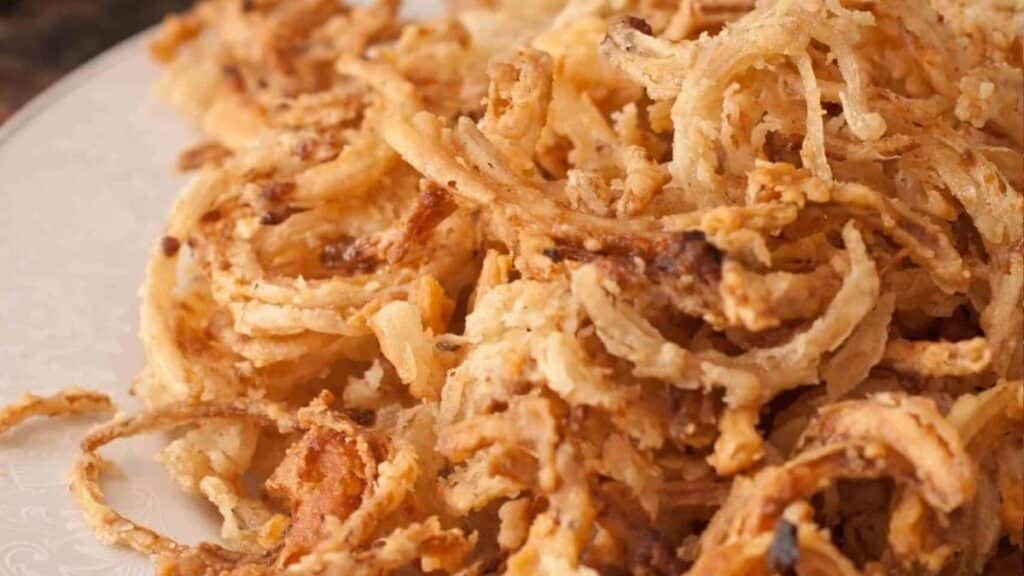
½ cup — Made by deep-frying thinly sliced onions until golden and crispy. This is NON-NEGOTIABLE for authentic biryani flavor.
Step-by-Step: How to Make Veg Biryani
Step 1: Soak and Prepare the Basmati Rice
Begin by rinsing 1 cup of Basmati rice under cold running water until the water runs clear. This removes excess surface starch that can make rice sticky and clumpy. After rinsing, soak the rice in enough water to cover it completely for at least 30 minutes. This soaking allows the rice grains to absorb some water, which helps them cook more evenly and elongate properly during boiling.
While the rice soaks, you can prepare your vegetables and get other ingredients ready. Soaking is not optional — it is what allows Basmati rice to achieve that characteristic long, separate grain texture that makes biryani visually stunning. If you are short on time, 20 minutes of soaking is the absolute minimum, but 30-45 minutes is ideal.
Step 2: Boil the Rice to 80% Doneness (Critical Step!)
Bring 4-5 cups of water to a rolling boil in a large pot. Add 1 teaspoon salt, the bay leaf, cloves, cardamom pods, and cinnamon stick. The water should taste pleasantly salty — like seawater. This is your only opportunity to season the rice itself.
Once the water returns to a vigorous boil, add the drained rice. Stir gently once to prevent sticking, then let it boil uncovered on medium-high heat. The rice will cook quickly — usually 5-7 minutes depending on your rice quality and stove heat.
Step 3: Prepare the Spiced Vegetable Gravy
Heat 3 tablespoons of oil or ghee in a heavy-bottomed pan or kadai over medium heat. Add half of the sliced onions (reserve the other half for frying as garnish) and sauté until they turn golden brown. This takes about 8-10 minutes and is worth the patience — deeply caramelized onions add sweetness and depth to the gravy.
Add the ginger-garlic paste and sauté for another minute until the raw smell disappears and it becomes fragrant. Add the chopped tomatoes and cook until they soften and break down, forming a paste-like consistency. This usually takes 5-7 minutes. You want the tomatoes to completely lose their shape and integrate into the oil.
Step 4: Fry the Onions for Garnish
While the vegetables cook, prepare the fried onions if you have not already. Heat oil for deep frying in a small pan. Thinly slice the remaining onion — the thinner the slices, the crispier they will become.
Fry the onion slices on medium heat, stirring constantly, until they turn golden brown and crispy. This takes about 8-10 minutes. Do not rush this on high heat or they will burn before crisping. Remove with a slotted spoon and drain on paper towels.
Fried onions (called “birista” in some regions) are what give biryani its characteristic sweet, caramelized depth. They are absolutely essential. If you are short on time, you can use store-bought fried onions, but homemade ones are incomparably better.
Step 5: Layer the Biryani (The Art of Biryani-Making)
Now comes the most important step that transforms rice and vegetables into biryani: the layering.
Choose a heavy-bottomed pot with a tight-fitting lid for the dum cooking. Spread the cooked vegetable gravy evenly across the bottom of the pot. The vegetables should form a complete layer with the gravy coating the bottom.
Gently spread the 80%-cooked rice over the vegetables in an even layer. Do not press down or pack the rice — you want it loose so steam can circulate between the grains during dum cooking.
Step 6: Dum Cooking — Sealing and Steaming the Biryani
Dum cooking is what makes biryani biryani rather than just rice and curry served together. The word “dum” refers to the steaming technique where the pot is sealed and cooked on very low heat, allowing the contents to cook in their own steam and aromatics.
Place a heavy tawa (griddle) on your stove burner and set it to the lowest possible heat. Place the biryani pot on the tawa. The tawa serves as a heat diffuser, preventing the bottom layer from burning while ensuring even, gentle heat distribution.
After 10-15 minutes, turn off the heat but DO NOT open the lid. Let the biryani rest for another 5 minutes. This resting time allows the steam to settle and the flavors to fully integrate.
Step 7: Opening the Biryani and Serving
When you finally open the pot, the aroma that escapes will be incredible — a complex blend of saffron, mint, fried onions, and spices. Using a large, flat serving spoon or spatula, gently fluff the biryani by inserting the spoon to the bottom and turning sections over, bringing the vegetable layer up and mixing it gently with the rice. Do this very carefully to avoid breaking the rice grains.
The biryani should show beautiful color variation — white rice grains, golden saffron-stained patches, green herbs, colorful vegetables, and crispy brown fried onions all visible in the mix. The rice grains should be separate, fluffy, and elongated. Each grain should be perfectly cooked with no mushiness.

Essential Tips for Perfect Veg Biryani Every Time
The 80% Rice Rule Is Non-Negotiable
This bears repeating because it is the single most common mistake in biryani-making. If you fully cook the rice before layering, it will become mushy and sticky during dum. If you undercook it, it will remain hard and unpleasant. The rice must be 80% done — soft on the outside with a slight bite in the center. This takes practice to judge, but once you get it, your biryani will consistently turn out perfect.
Use the Tawa (Griddle) for Even Heat Distribution
Placing the biryani pot directly on the burner, even on the lowest setting, can cause the bottom to burn before the top finishes cooking. A heavy tawa underneath acts as a heat diffuser, creating gentle, even warmth that allows proper dum without scorching. If you do not have a tawa, an upside-down flat pan works similarly.
Do Not Skip the Fried Onions
Fried onions are what give biryani its signature sweet, caramelized depth. Without them, the biryani tastes flat and incomplete. The onions should be sliced thin and fried slowly until deep golden and crispy. Burnt onions taste bitter, so patience is important. But properly fried onions are absolutely worth the effort.
Seal the Pot Properly for True Dum Cooking
The entire point of dum is creating a sealed environment where steam cannot escape. If your lid does not fit tightly, use the flour dough technique (mix whole wheat flour with water to make a thick dough, roll into a rope, and press around the pot rim before placing the lid). The seal prevents steam loss and allows the pressure build-up that cooks the biryani through steam rather than direct heat.
Let the Biryani Rest Before Opening
After turning off the heat, resist the temptation to immediately open and serve. Let it rest covered for 5 minutes. This allows the steam pressure to equalize, prevents the rice from becoming too moist, and lets flavors settle into every grain.
Adjust Spice Levels for Ramadan Preferences
During Ramadan, some people prefer less spicy food to avoid digestive discomfort after fasting. Feel free to reduce the red chilli powder to ½ teaspoon or even omit it entirely, relying on the biryani masala for flavor rather than heat. The dish will still be aromatic and delicious.
Make the Gravy Slightly Thicker Than Normal Curry
Because the rice will release some moisture during dum cooking and will absorb gravy flavors, you want the vegetable gravy to be thick and clingy rather than watery. If your gravy is too thin, the biryani will become soggy rather than fluffy. Cook the vegetables until the gravy coats them thickly but is not dry.
Serving Veg Biryani : Pairings and Presentation
Traditional Accompaniments
Boondi Raita: The cooling combination of fried chickpea flour droplets (boondi) in spiced yogurt perfectly balances biryani’s richness and helps with digestion after fasting.
Onion Raita: Simple but effective — thinly sliced onions, whisked yogurt, roasted cumin powder, and salt create a refreshing side that cleanses the palate between bites.
Pickle (Achar): A spoonful of tangy, spicy mango or lime pickle adds a sharp contrast that cuts through the biryani’s richness.
Papad: Crispy fried or roasted papad provides textural contrast to the soft rice and vegetables.
Kachumber Salad: Finely chopped cucumber, tomato, onion, and coriander dressed with lemon juice and salt offers fresh, crunchy relief between rich bites.
Presentation Ideas
Serve the biryani in a large, shallow serving platter rather than a deep bowl — this allows guests to see the beautiful color variations and garnishes. Top with extra fried onions, fresh mint leaves, and if you want to be fancy, edible silver leaf (vark).
Arrange the accompaniments — raita, pickle, papad — in small serving bowls around the biryani platter. Provide a large serving spoon so people can take generous portions family-style.
If serving buffet-style, keep the biryani warm in a chafing dish or insulated serving vessel. Biryani holds heat well, but for Iftar where breaking fast happens at a specific time, timing the completion of the biryani to coincide with Maghrib azaan creates the perfect moment.
Storage, Reheating, and Make-Ahead Tips
Storing Leftover Biryani
Transfer cooled biryani to an airtight container and refrigerate within 2 hours of cooking. Properly stored, Veg Biryani keeps well for 3-4 days in the refrigerator. The flavors often develop and deepen overnight, making leftovers even more delicious the next day.
For longer storage, biryani freezes beautifully. Portion into individual servings in freezer-safe containers or bags, removing as much air as possible. Frozen biryani keeps for up to 3 months. Thaw overnight in the refrigerator before reheating.
Reheating Without Losing Texture
The microwave is convenient but can make biryani mushy. For best results, reheat in one of these ways:
Stovetop method: Place biryani in a heavy-bottomed pan, sprinkle a tablespoon of water over it, cover tightly, and heat on low for 5-7 minutes until warmed through. The steam from the water refreshes the rice without making it mushy.
Oven method: Spread biryani in an oven-safe dish, cover with foil, and heat at 180°C (350°F) for 15-20 minutes. This method heats evenly and maintains texture beautifully.
Microwave (if necessary): Sprinkle a little water over the biryani, cover with a microwave-safe lid, and heat on medium power in 1-minute intervals, fluffing between each interval. High power makes rice rubbery.
Make-Ahead Strategy for Busy Ramadan Days
You can prepare components in advance to make Iftar cooking less stressful:
Fried onions: Make a large batch and store in an airtight container at room temperature for up to 1 week. They are used in countless dishes.
Vegetable gravy: Cook the complete vegetable gravy up to 1 day ahead and refrigerate. Reheat gently before layering with rice.
Soaked rice: Soak rice up to 2 hours ahead and keep refrigerated if your kitchen is warm. Drain before boiling.
Variations and Customizations
Regional Variations
Different regions of India have their own biryani styles. You can adapt this recipe toward different regional flavors:
Hyderabadi style: Increase yogurt, add fried cashews and raisins, use more saffron and rose water for aromatic sweetness.
Lucknowi/Awadhi style: Use less spice, more subtle aromatic spices like mace and nutmeg, and cook on even lower heat for longer (20 minutes dum).
Kolkata style: Add boiled potatoes as a signature ingredient (already in this recipe!), use less chilli, and include a pinch of sugar for subtle sweetness.
Vegan Adaptation
For a completely vegan Veg Biryani, replace the yogurt/curd with cashew cream (soaked cashews blended with water) or thick coconut yogurt. Use oil instead of ghee for cooking. The result will be equally delicious while remaining plant-based.
Lower-Calorie Version
To reduce calories, use less oil/ghee in the cooking (1 tablespoon instead of 3), skip the ghee drizzle during layering, and use low-fat yogurt. You can also reduce or skip the fried onions, though they add so much flavor that it is worth the calories during special occasions like Ramadan.
CHECK MORE ON:Heart Sugar Cookies That Look Just Like Conversation Hearts
Troubleshooting Common Veg Biryani Problems
My Rice Became Mushy and Sticky
Cause: The rice was fully cooked (100%) before layering, or too much liquid was in the vegetable gravy, or the dum cooking time was too long.
Solution: Next time, ensure rice is only 80% cooked before draining. The gravy should be thick, not watery. Reduce dum time to 10 minutes rather than 15.
The Rice Is Hard Even After Dum
Cause: The rice was undercooked before layering (less than 70% done), or the pot was not properly sealed during dum, or the heat was too low.
Solution: Cook rice longer during boiling stage — it should be soft on the outside when you drain it. Ensure the lid fits tightly or use the dough seal method. The heat should be low but not so low that no steam generates.
The Bottom Layer Burned
Cause: Heat was too high during dum cooking, or the pot was placed directly on the burner without a tawa.
Solution: Always use lowest heat setting and place a tawa/griddle under the pot. If burning occurs even on lowest heat, your burner may run hot — use a heat diffuser or try an even thicker tawa.
The Biryani Has No Flavor
Cause: The vegetable gravy was undersalted or underspiced, or you skipped the fried onions, or the rice was not boiled in salted water.
Solution: The gravy should taste slightly overseasoned on its own because the rice dilutes the flavor. Always salt the rice water. Never skip fried onions — they are essential for authentic flavor.
The Vegetables Are Mushy
Cause: Vegetables were overcooked in the gravy stage, or they were cut too small, or dum cooking time was too long.
Solution: Cook vegetables just until tender, not until falling apart. Cut them into larger chunks (½ to ¾ inch) so they hold shape through double cooking. Reduce dum time.
The Layers Didn’t Mix Properly
Cause: Not enough fluffing when serving, or the rice layer was too thick and compacted.
Solution: When opening the biryani, use a large flat spoon to gently turn large sections from bottom to top, allowing the layers to mingle naturally. Do not pack or press the rice when layering.
Can I make Veg Biryani without curd/yogurt?
Yes. You can substitute with cashew cream (blend soaked cashews with water) or thick coconut yogurt for vegan versions.
What if I don’t have biryani masala?
Use garam masala as a substitute (2 teaspoons). The flavor will be slightly different but still delicious. For a closer match, add ½ teaspoon extra of coriander powder and a pinch of nutmeg to garam masala.
Can I skip the dum cooking step?
Technically yes, but the result will be rice and curry rather than true biryani. The dum process is what allows flavors to infuse throughout and creates that signature biryani texture and aroma. It is worth the extra 15 minutes.
